
Titanium-based Lead Dioxide Anode Plate for Copper and Zinc Electrowinning
Advanced production technology, new design and self-owned patents based on 5 years of scientific research results and 5 years of application experience give our newest type anode plates for copper and zinc EW better performance, which can help your copper and zinc plant increase production efficiency, reduce operation costs and ensure product quality.
Introduction to Titanium-base Lead Dioxide Anode plate
Significantly extends the service life of anode plates by at least 50%. The newest type of anode plate can help you to increase production efficiency and reduce operation cost.
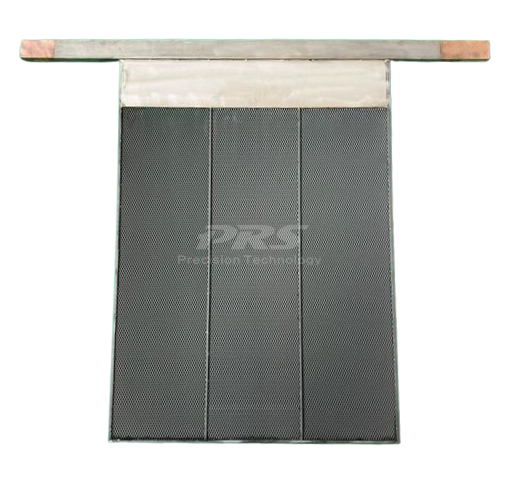
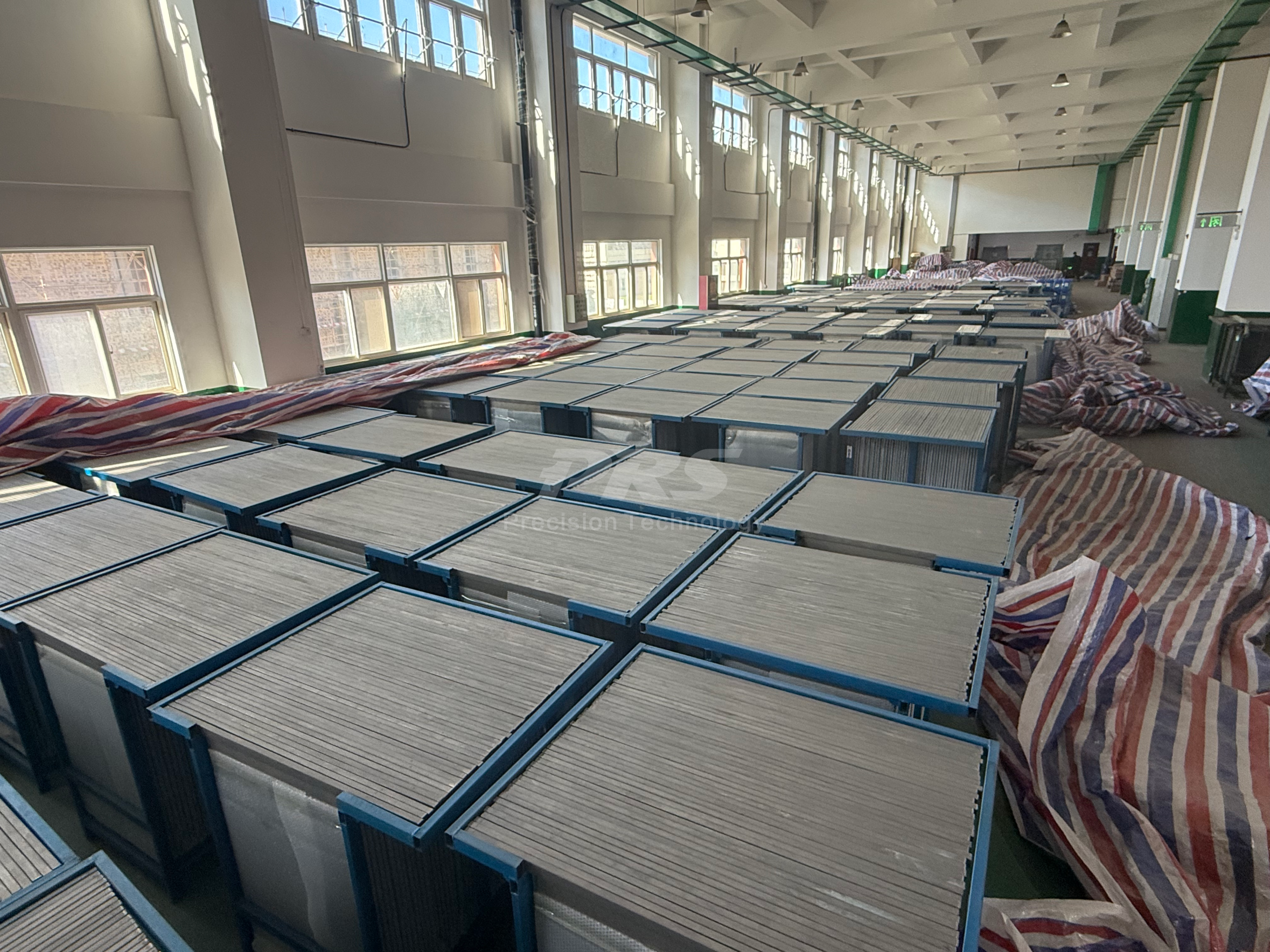
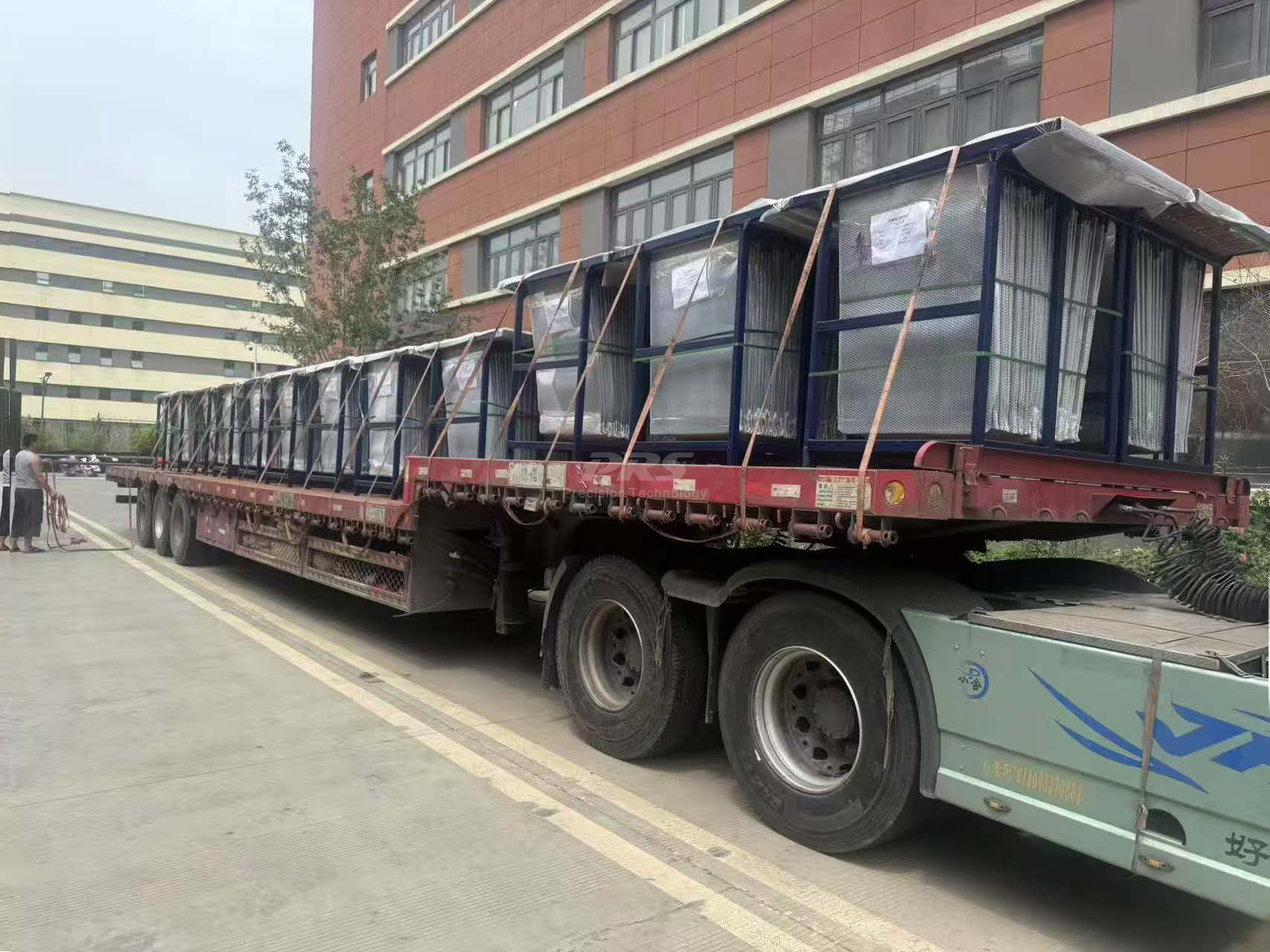
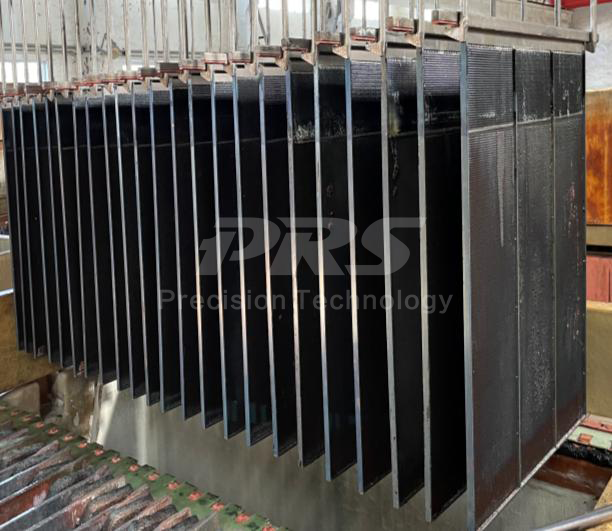
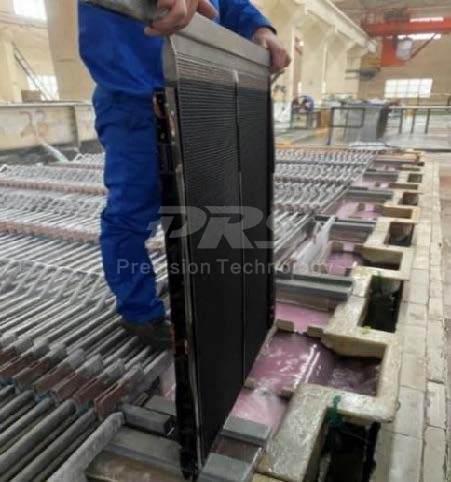
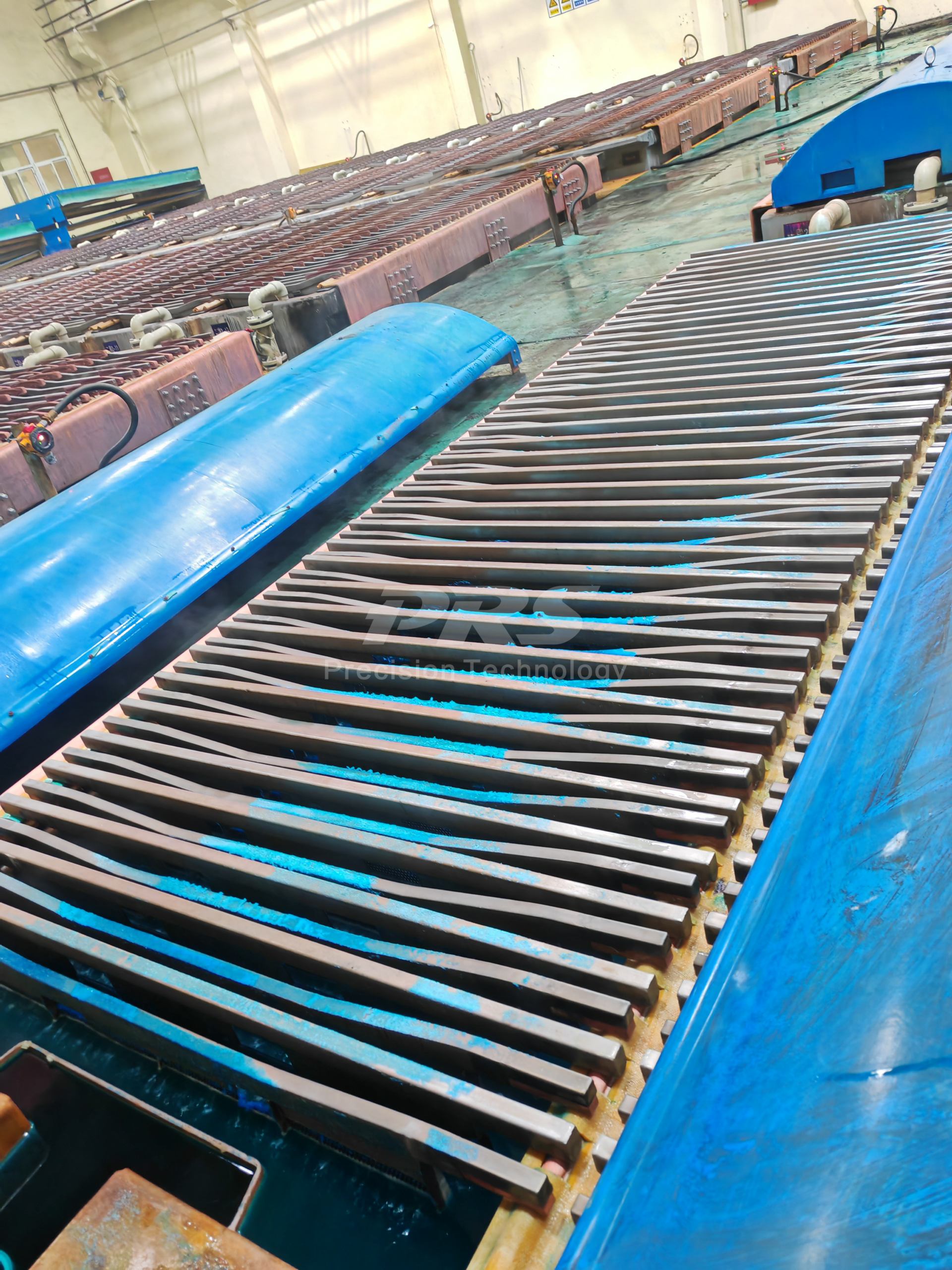
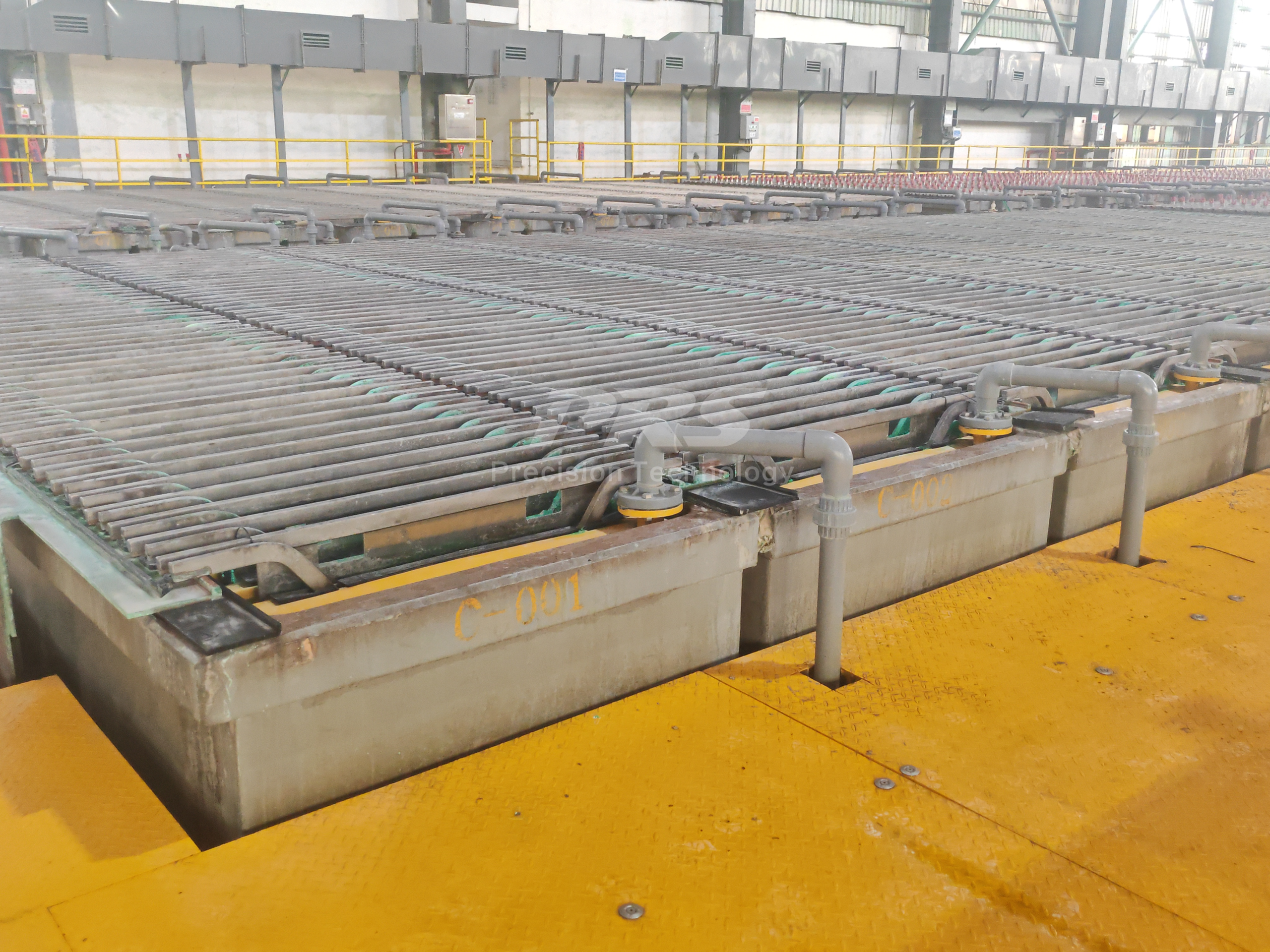
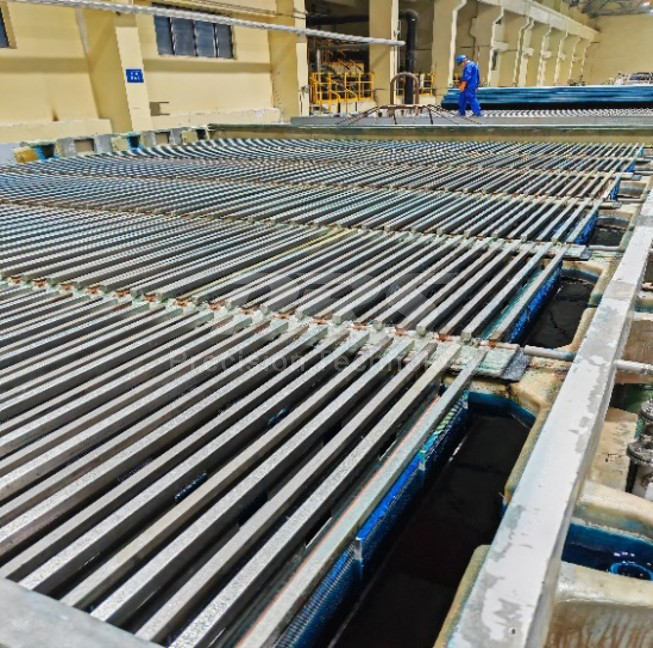
On-site Photos From Clients
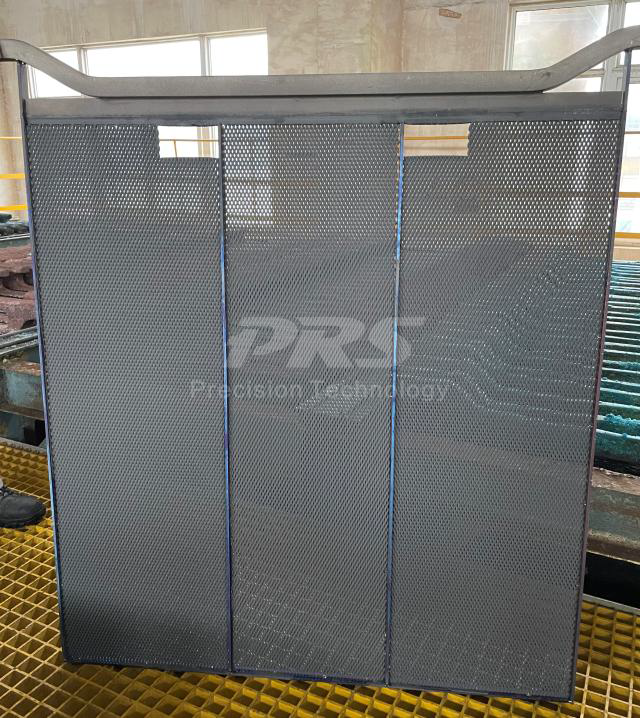
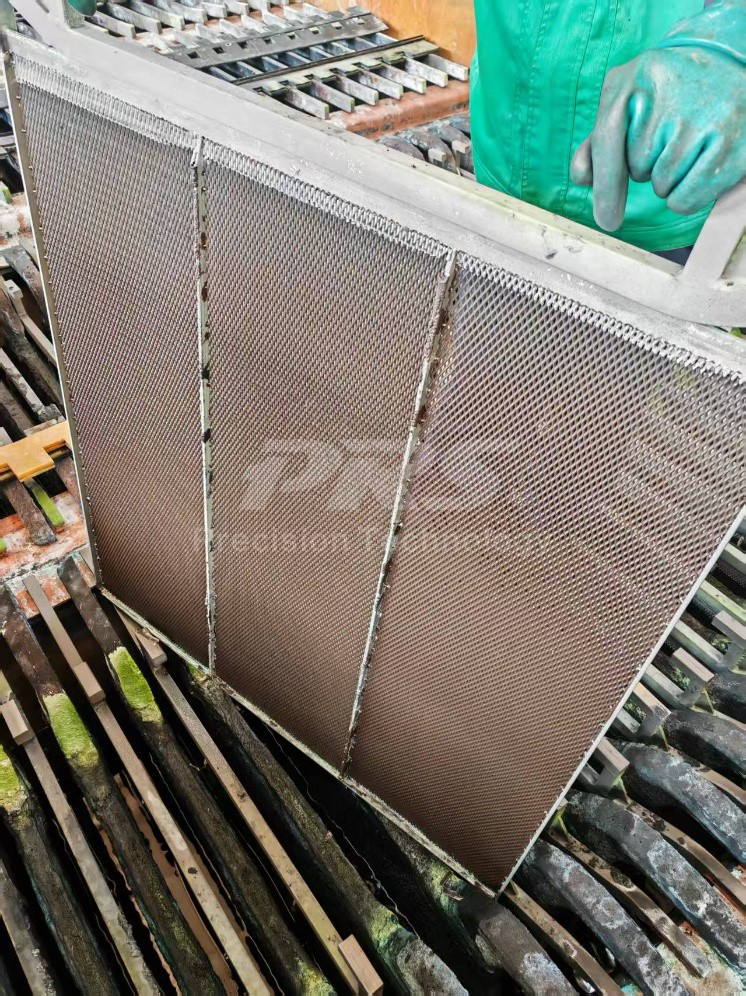
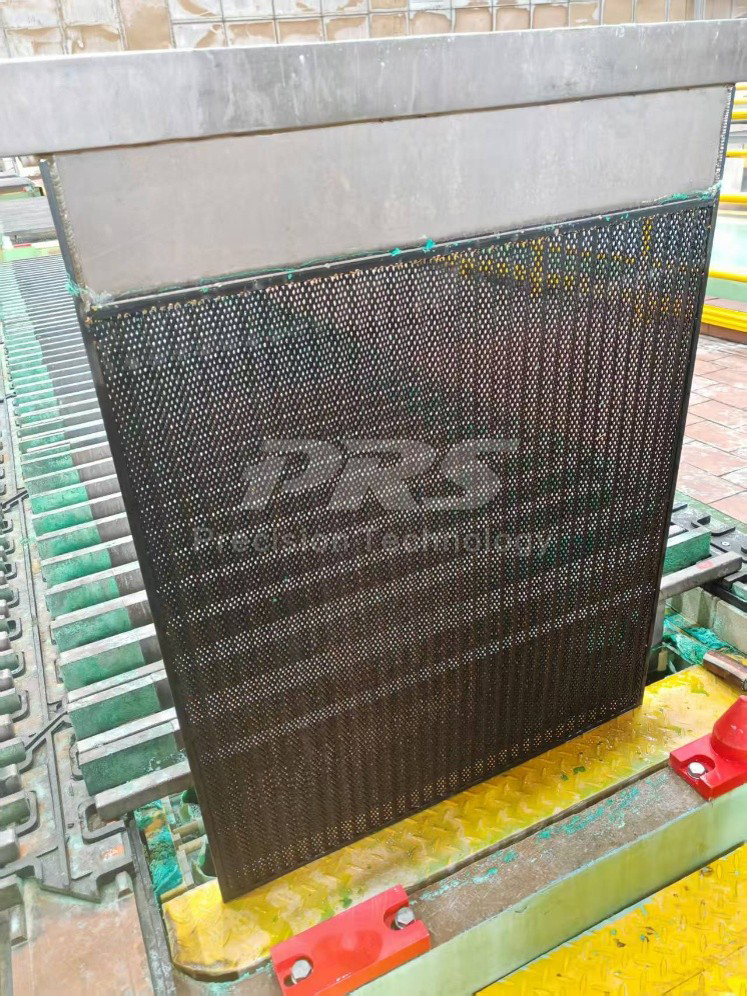
Data of Performance
| Composition of Plate Surface | Lead Dioxide |
| Effective Plate Area | 2 Square Meters |
| Application for | Copper and Zinc EW / Electrolyte Purification |
| Service Life under Normal Conditions | 6 ~ 9 Years for Copper EW / 1.5 ~ 3 Years for Zinc EW / 2 Years for Electrolyte Purification |
Actual data from customer factories:
1. The service life extend by at least 50%.
2. Fluorine and chlorine resistance improved by 200%. Corrosion resistance in electrolytes: Cl-≤500mg/L; F-≤300mg/L.
3. The electric current efficiency can be increased by 5% ~ 10%.
4. Cell voltage can be reduced by 0.05V ~ 0.10V.
5. The current density can be increased to 350-500A/m² during the copper or zinc electrowinning process.
6. The copper production capacity is increased by 3% ~ 10%.
7. The comprehensive power consumption reduced by 3%.
8. During the electrowinning process, the lead leaching rate is reduced by 99%, and almost no anode slime is generated. Therefore, the cathode product has a very high purity, and there is no need to stop production to clean up the anode slime, which can significantly improve production efficiency.
The Next-Generation Anode: Engineered to Slash Operational Costs and Enhance the Purity of Cathode Product
Pushing the boundaries of productivity in electrowinning requires innovation that delivers measurable financial impact. While traditional lead alloy anodes have been the industry staple, they come with inherent limitations in efficiency and maintenance costs. Our Titanium-based Lead Dioxide (Ti/β-PbO₂) Anode represents a technological leap forward. Designed for the most demanding copper and zinc electrolytes, it is engineered to significantly extend service life, eliminate anode-related contamination, and reduce the total cost per ton of metal produced.
Advanced Structure and Process: The Anatomy of the Service Life
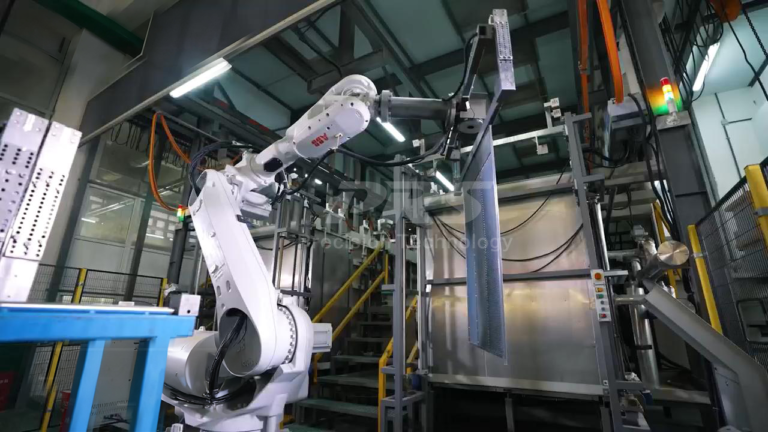
The superior performance of our titanium-base lead dioxide anode plate is rooted in its multi-layered, composite structure, each layer serving a critical function.
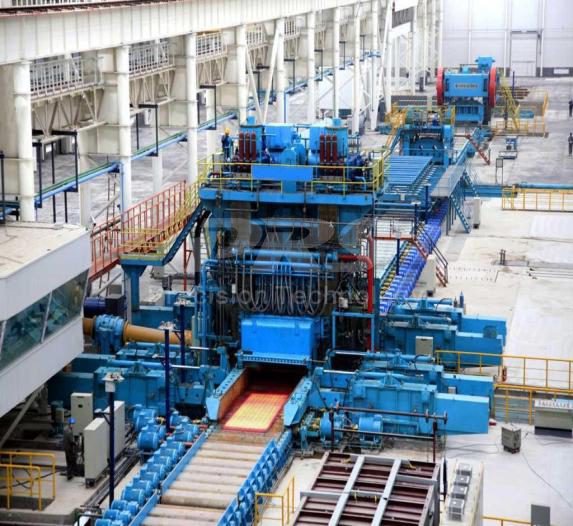
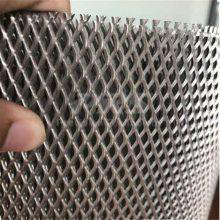
1. Robust Titanium Substrate:
We start with a high-strength, industrial pure titanium base. Titanium is chosen for its exceptional corrosion resistance in acidic environments, forming a stable, passive oxide layer that serves as the unbreakable backbone of the anode. The substrate is meticulously sandblasted degreasing and pickling processes to ensure perfect adhesion for the subsequent layers.
2. Precision Intermediate Coating:
A critical step for long-term performance. We apply specialized nanobuffer intermediate layer onto the titanium substrate. This layer is crucial for preventing oxidation of the titanium and ensuring excellent bonding force and electrical conductivity between the substrate and the active coating, while also providing a superior barrier against corrosion.
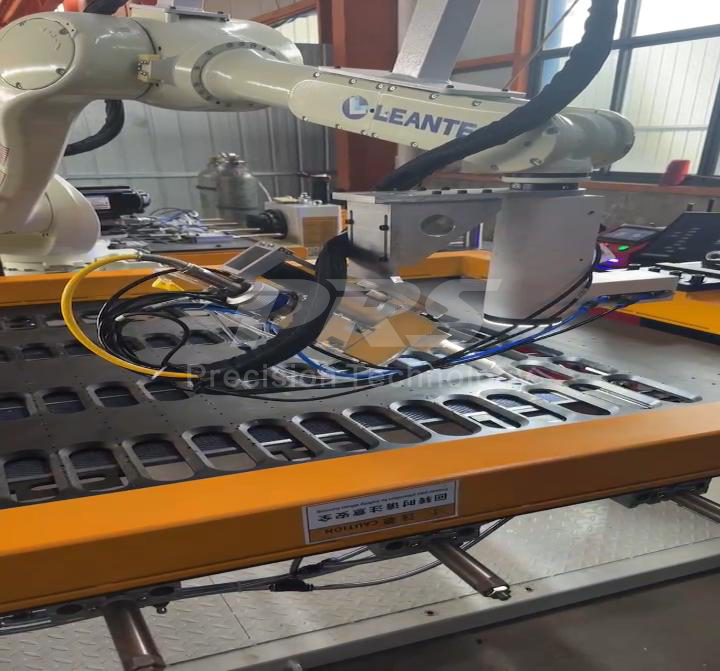
3. Electrodeposition of Active Layer:
The core of the anode’s functionality is the thick, dense, and highly crystalline Beta-Lead Dioxide (β-PbO₂) coating. This layer is electrodeposited under controlled conditions of temperature and current density. The resulting β-PbO₂ coating is non-porous, possesses high oxygen evolution potential, and is extremely resistant to chemical attack, making it the ideal catalytic surface for the oxygen evolution reaction.
Quantifiable Advantages Over Traditional Lead Alloy Anodes
The advanced materials science behind our Titanium-based Lead Dioxide Anode Plate translates directly into operational superiority and significant cost savings, as demonstrated in the comparison below.
Technical Specifications:
Substrate: Industrial Pure Titanium Active Coating: Beta-Lead Dioxide Intermediate Layer: Mixed Metal Oxide (MMO) coating Applications: Ideal for Copper Electrowinning, Zinc Electrowinning, and other electrochemical processes involving aggressive electrolytes.
More Than Just a Supplier of Anode and Cathode Plates
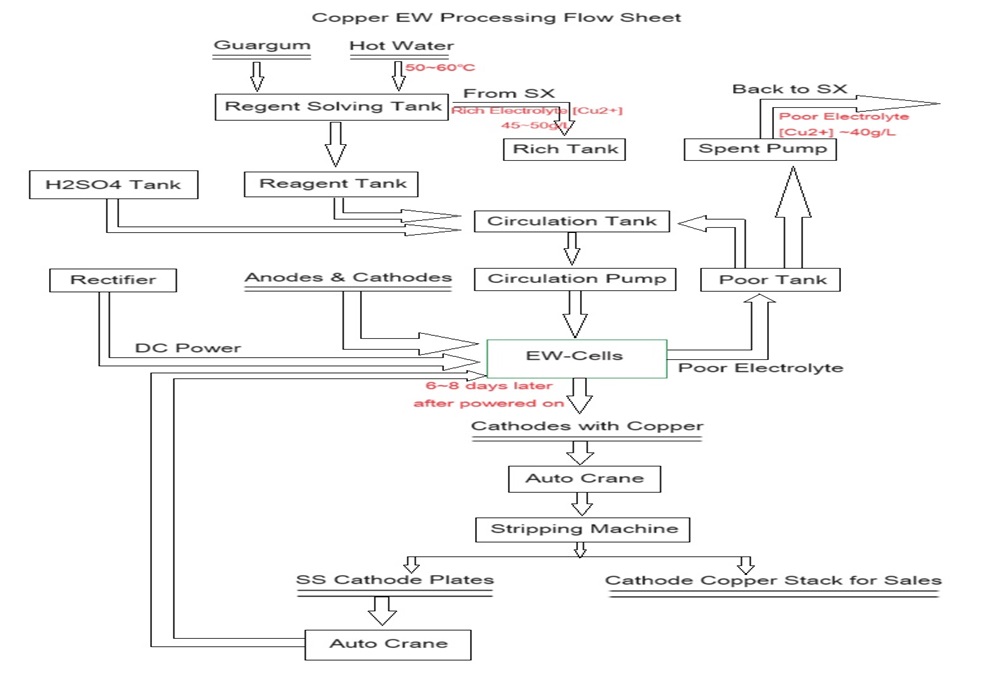
PRS has a rich experienced engineering and technique team. We can provide EPC services including full process consulting, solution optimization, equipment integration / supply in system and on-site commissioning or remote guiding.
Process Consulting
Our seasoned sales and engineers teams will communicate with you. We are just consultant of your whole EW process, according to your requirements and local conditions.
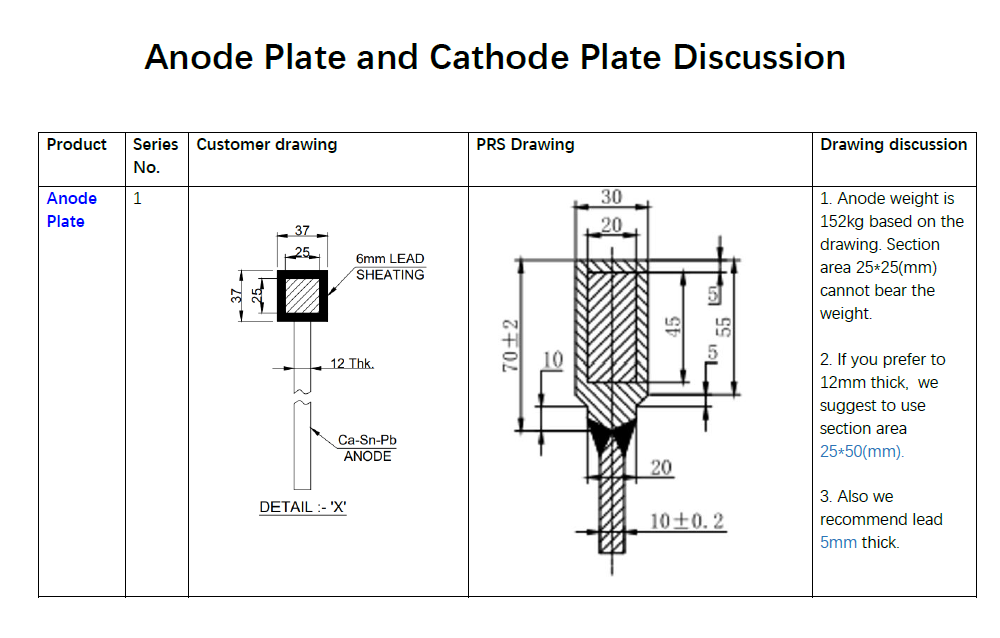
Drawings Optimization
The senior engineers from PRS can discuss the drawings with you, and provide reasonable suggests to optimize your drawings in maximum according to their rich experience.
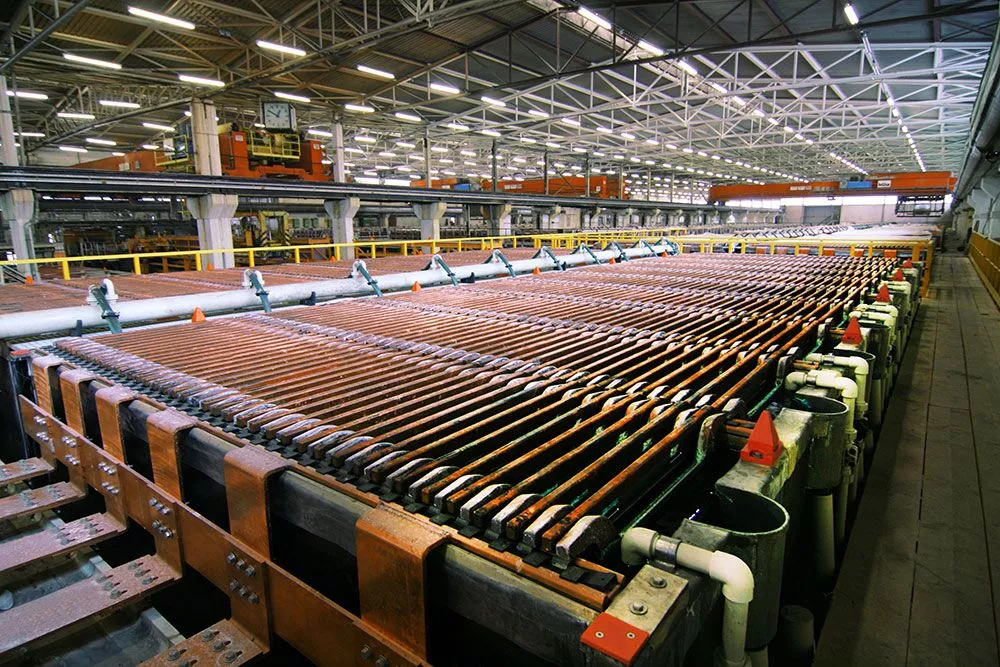
System Supply
PRS is able to supply system equipment to you with a full range of crushing – ball milling – flotation – leaching – extraction – electrowinning, including certificates required.
On-site Commissioning
On-site commissioning, guidance and installation are available if in need, and remote guidance service by engineers or technique experts from PRS is also open for you.
Upgrade to the Anode of the Future Today
Stop accepting the hidden costs of traditional anodes—slime management, energy waste, and frequent replacements. Our Titanium-based Lead Dioxide Anode Plate is a proven solution for miners and smelters aiming for peak operational efficiency and product quality.
