
LDX 2101 Stainless Steel Cathode Plates for Copper Electrowinning and Electrorefining
For modern copper electrowinning or electrolysis plants, higher purity cathode copper, lower operating costs and investment costs, and higher production efficiency have become the pursuit of more and more cathode copper manufacturers. This has led to the increasing attempt and application of permanent cathode technology – LDX 2101 stainless steel cathode plates – in copper electrowinning or electrolysis plants. Traditional starting sheet technology is gradually being phased out. Our LDX 2101 stainless steel cathode plates offer a longer service life, excellent conductivity, and strong adaptability to harsh working conditions, providing a solid foundation for producing high-quality cathode copper while significantly reducing labor costs during operation.
Introduction to LDX 2101 Stainless Steel Cathode Plate
Provide reliable solutions for ISA and OK processes
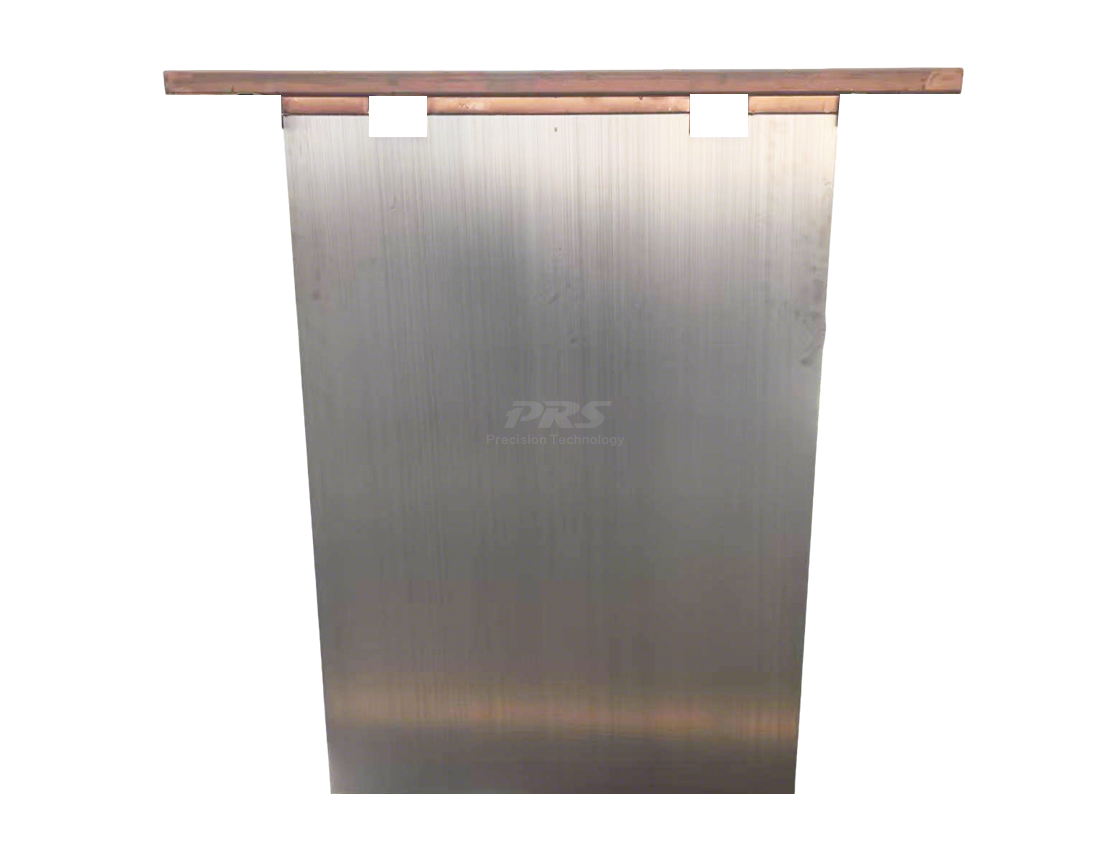
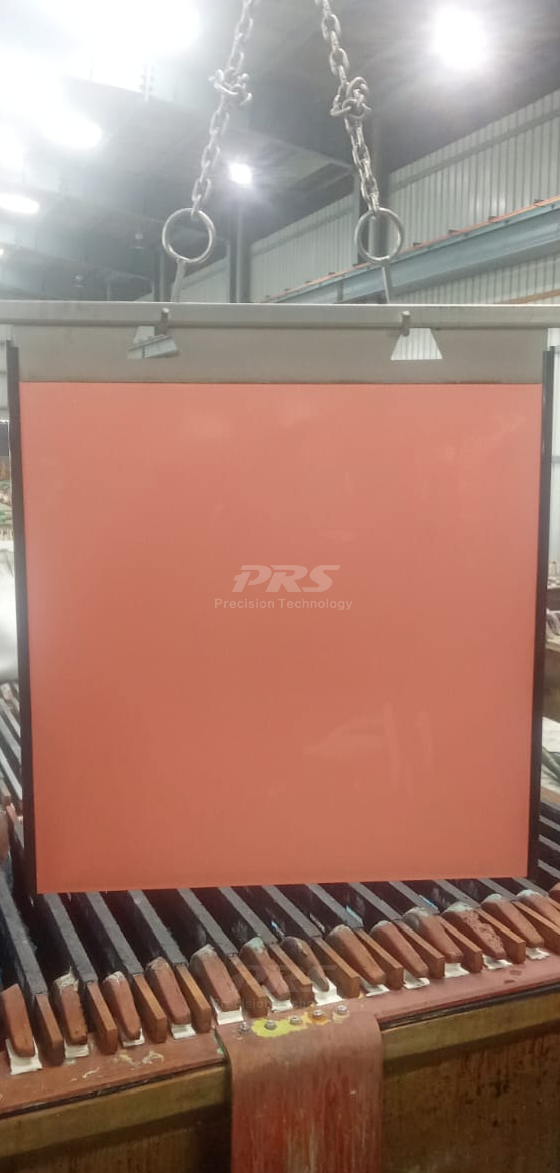
Details of Cathode Plate and On-site Photos
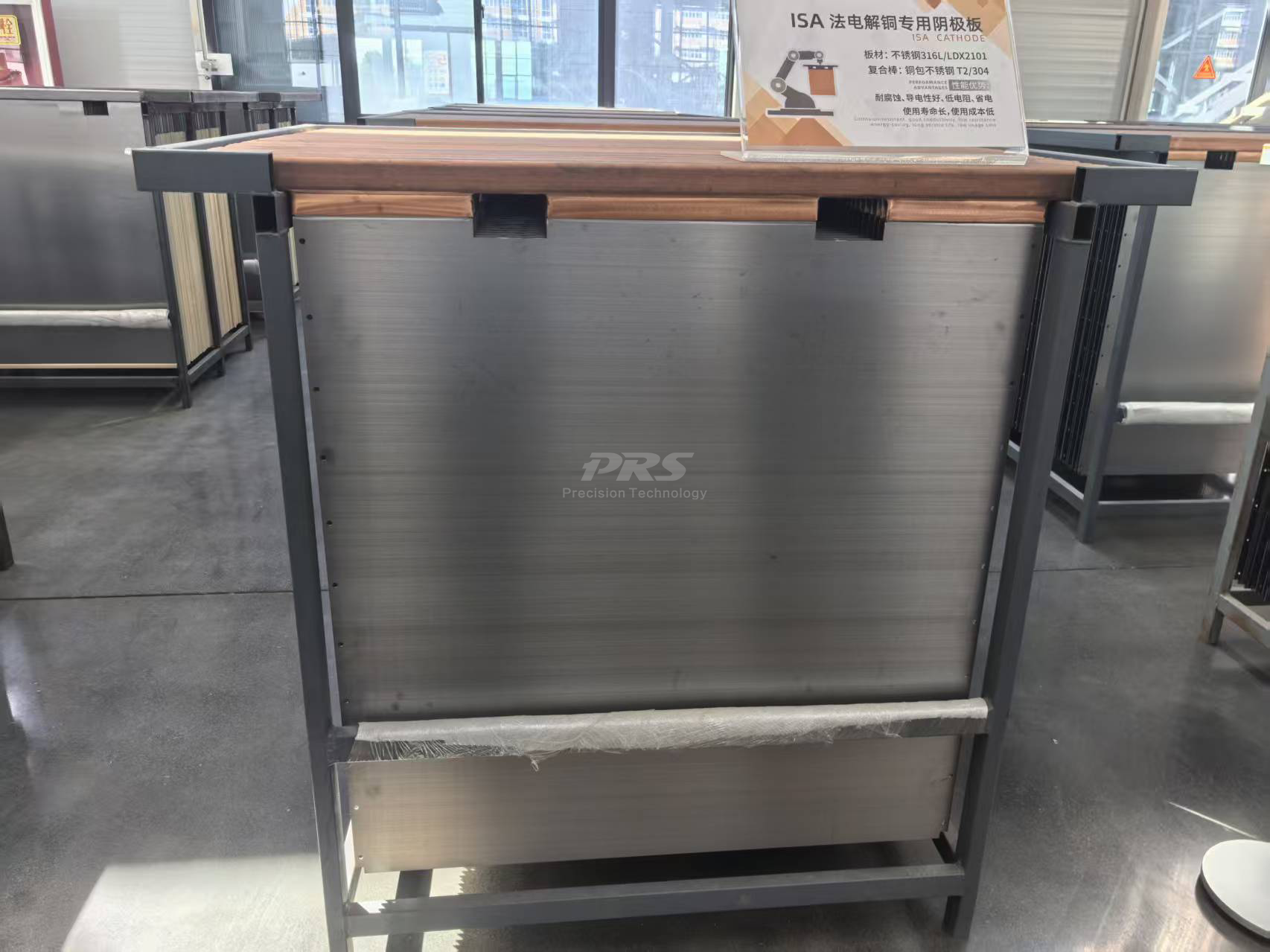
Data of Performance
| Materials of the Blade | LDX 2101 Stainless Steel |
| Materials of the Conductive Beam | LDX 2101 or 316L Stainless Steel Cladding Copper (ASTM C11000); Copper (ASTM C11000) Cladding 304 Stainless Steel |
| Effective Plate Area | 2 Square Meters |
| Application for | Copper EW or ER |
| Service Life under Normal Conditions | 15 Years |
1. The material of the blade is made by TISCO.
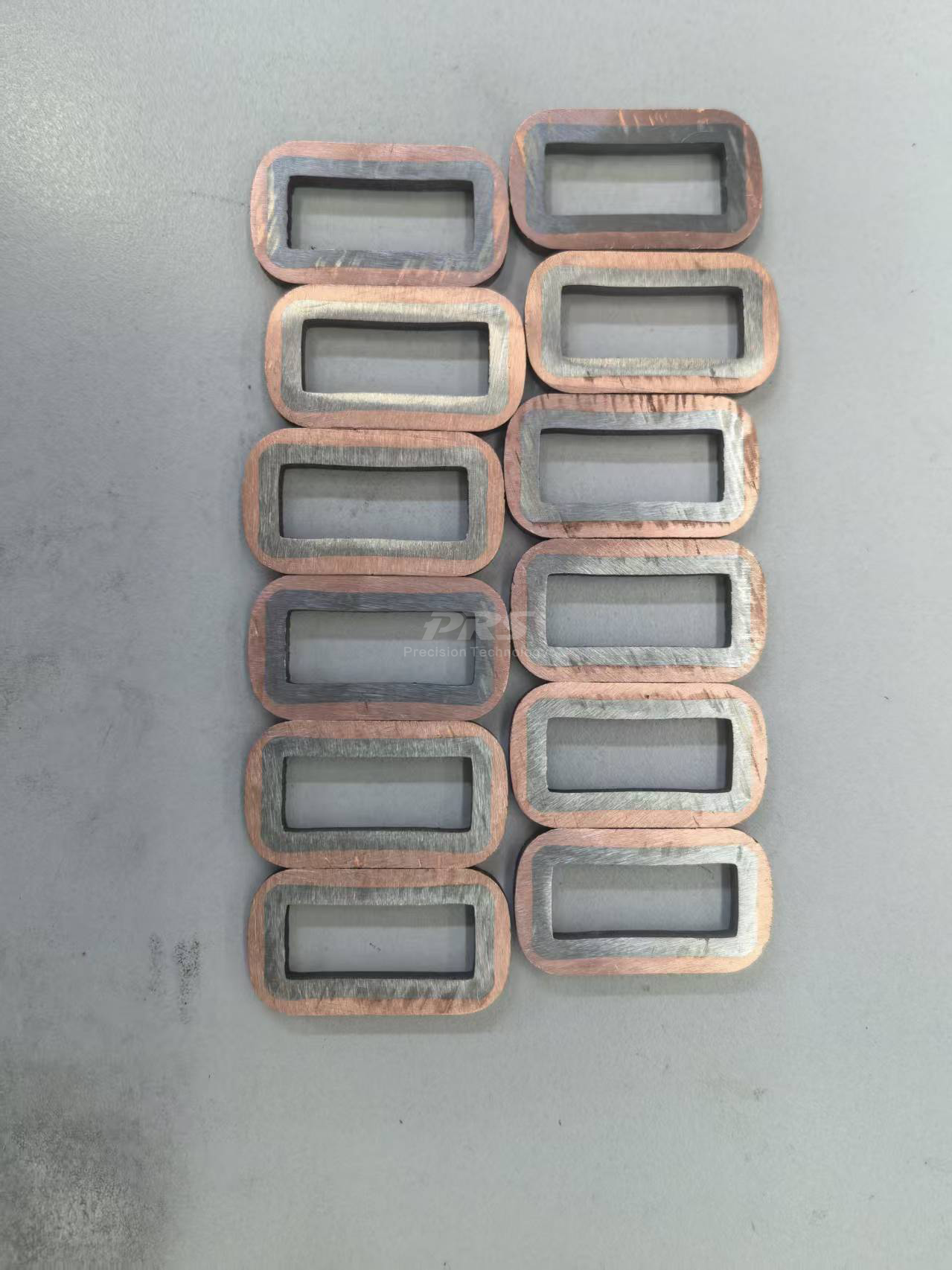
2. The stainless steel tube of the conductive beam is made by TISCO or Qingshan Steel, and the inner copper rod is made of ASTM C11000 copper, and the purity of copper is 99.90%.
3. The stainless steel sheath and the inner copper rod achieve a metallurgical bond, which improves corrosion resistance. The surface of the blade is smooth and flat.
4. A fully automatic robot is used for laser welding between the stainless steel blade and the conductive beam (stainless steel cladding copper) without flux. During the welding process, the plate surface will not be deformed due to overheating. After welding, the appearance of the weld is smooth and bright. This can ensure the conductivity, mechanical strength of the copper conductive beam and the drape & flatness of the blade.
5. The electric resistance between the copper conductive end and a point on the center line of bottom of the blade is less than or equal to 0.5 mΩ.
6. The electric resistance between a copper conductive end and its diagonal line to the bottom of the blade is 0.01 ~ 0. 02 mΩ.
Built for Harsh Conditions: The High-Strength, Cost-Effective LDX 2101 Stainless Steel Permanent Cathode Solution
For some copper electrowinning and electrorefining operations facing challenging conditions—such as high chloride content, mechanical stress (stripping the cathode copper by manual), or elevated temperatures—standard 316L cathodes may not be sufficient. Meet the robust alternative: our LDX 2101 Stainless Steel Permanent Cathode Plate. Engineered with lean duplex stainless steel, this cathode delivers superior strength and corrosion resistance at a more competitive cost, ensuring reliability and longevity where it matters most. It is the optimal choice for modernizing copper smelters and phasing out inefficient starter sheet systems.
Superior Materials & Robust Engineering for Demanding Environments
We build our LDX 2101 cathodes with the same precision as our 316L models, but with a material specifically designed for tougher service conditions.
1. Advanced Material Selection:
Cathode Blade: Fabricated from LDX 2101 Duplex Stainless Steel, sourced from TISCO for guaranteed quality and consistent supply. LDX 2101 offers a unique combination of high mechanical strength (approximately double that of 316L) and excellent resistance to pitting and chloride-induced stress corrosion cracking. Conductive Beam Options: Option A (Stainless Steel Cladding Copper): The outer sheath is made from LDX 2101 or 316L Stainless Steel (TISCO), housing a core of high-conductivity ASTM C11000 Copper. Option B (Copper Cladding Stainless Steel): The cladding is ASTM C11000 Copper, while the internal core is a 304 Stainless Steel tube sourced from TISCO or Tsingshan Steel. - Option C (Stainless Steel Cladding Copper Cladding Mild Steel): The outer sheath is made from LDX 2101 or 316L Stainless Steel (TISCO), housing the middle layer of high-conductivity ASTM C11000 Copper. The Q235 or Q345 Mild Steel as the inner material.
2. Precision Manufacturing Process:
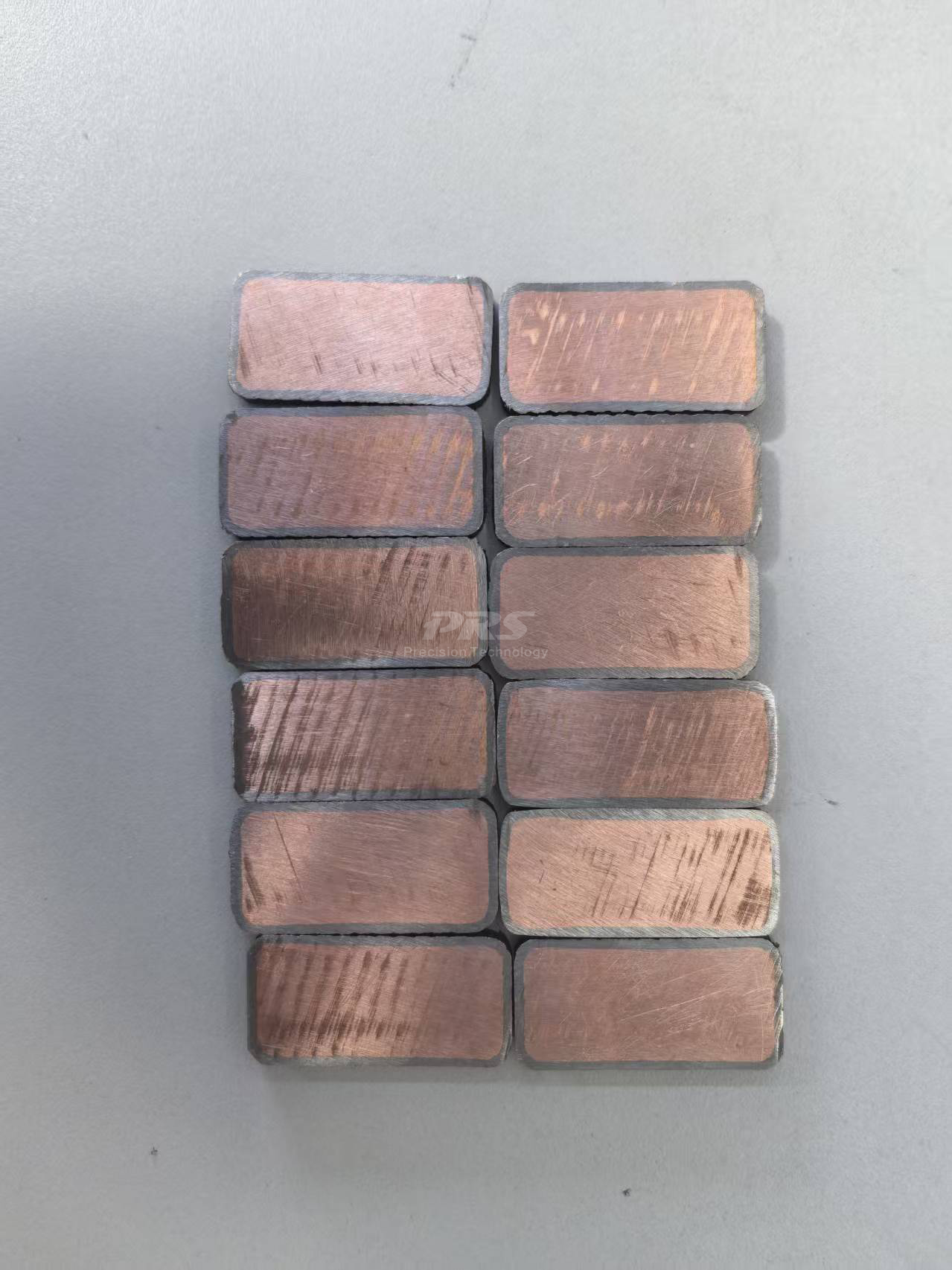
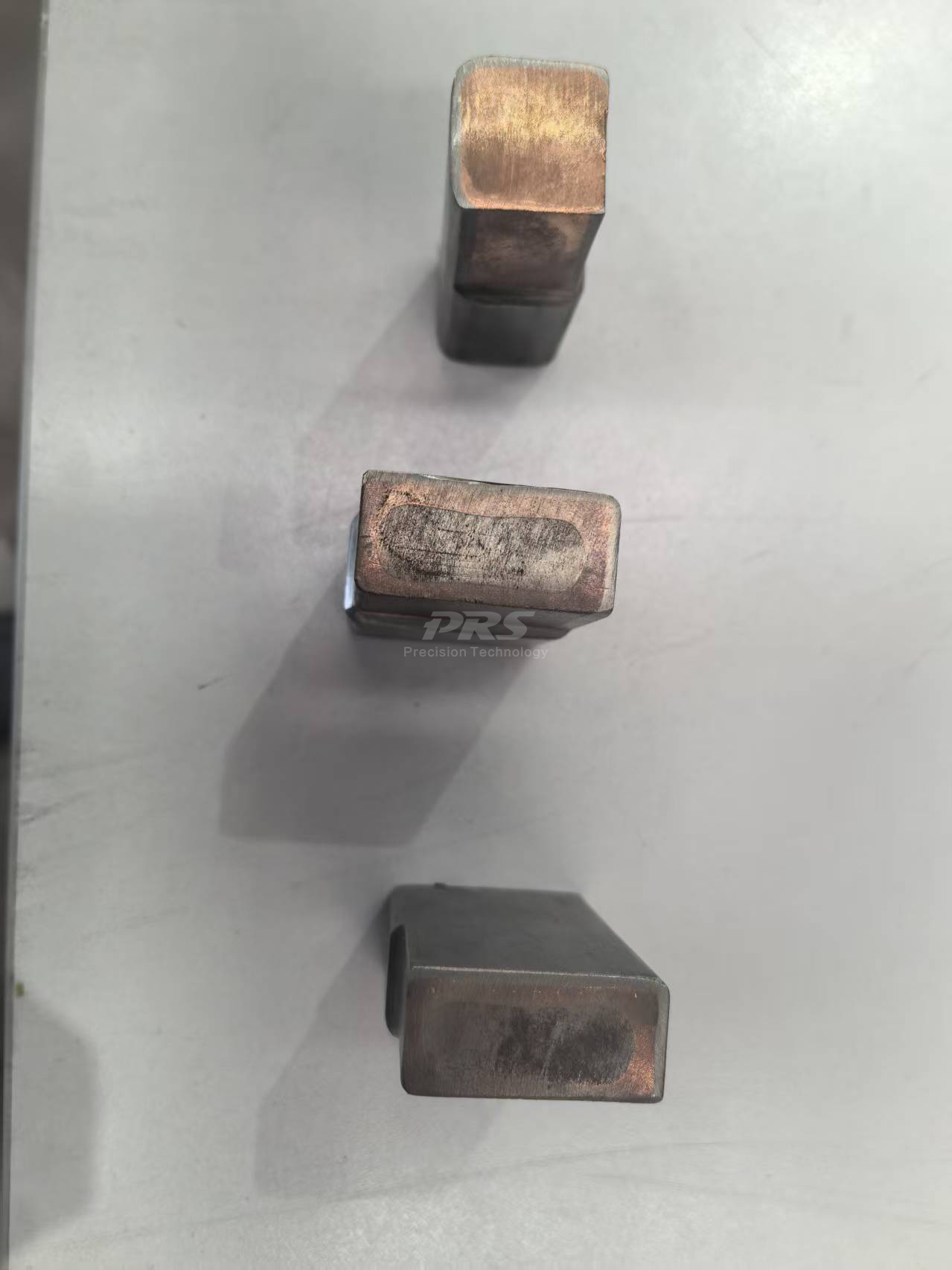
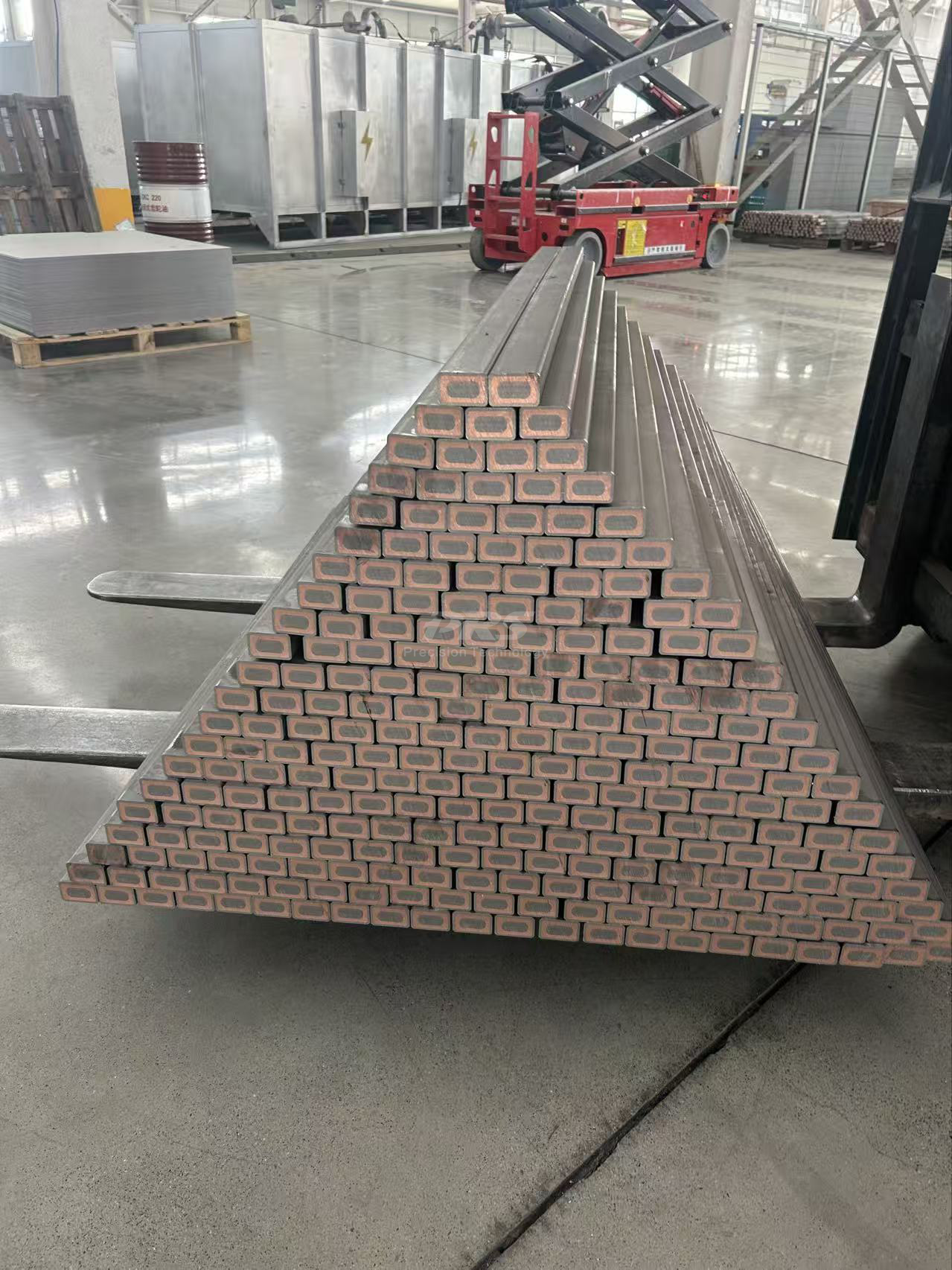
Details of the Cross Section of Conductive Beam - Stainless Steel Cladding Copper
Details of the Cross Section of Conductive Beam - Copper Cladding Stainless Steel
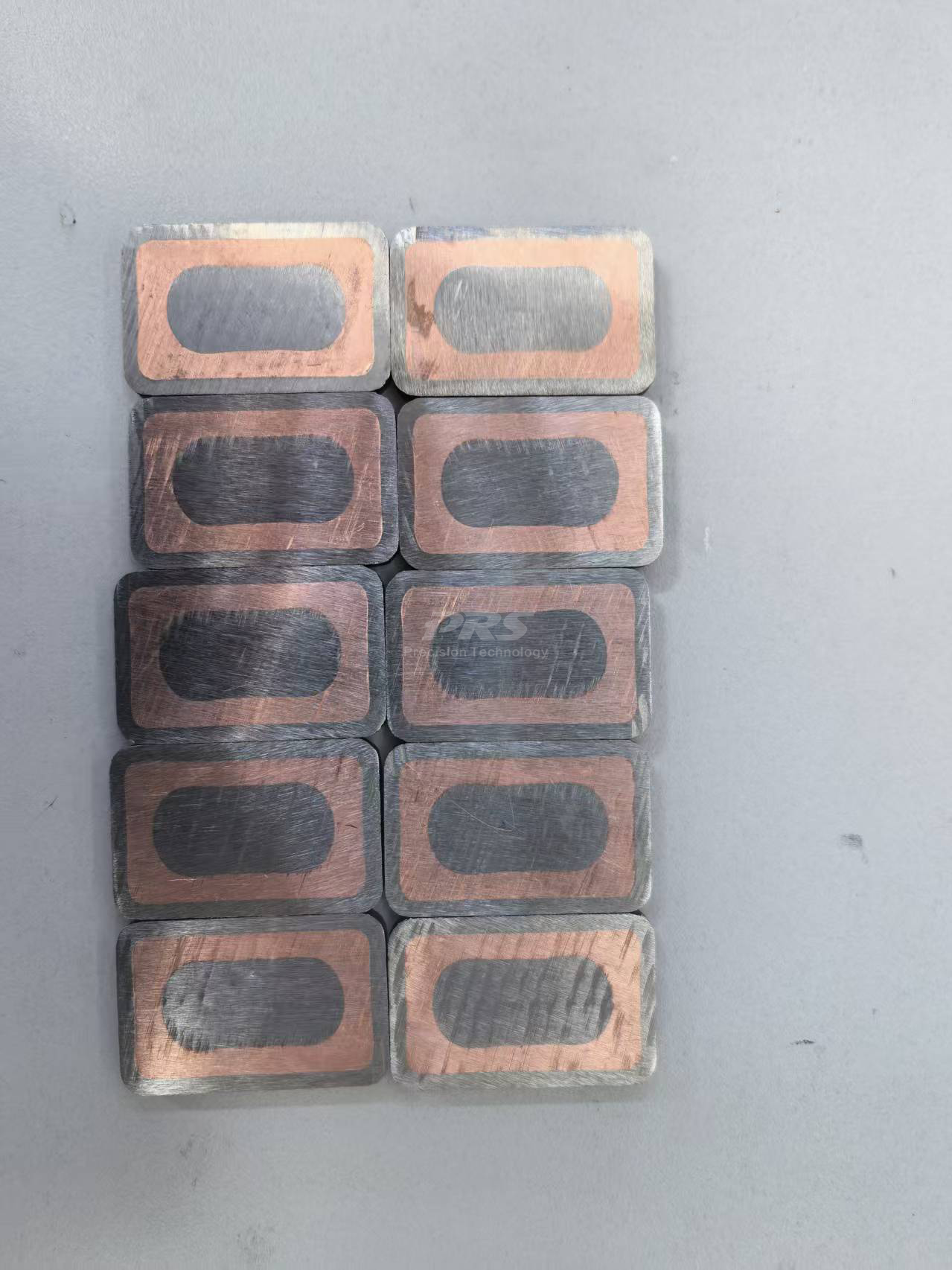
Details of the Cross Section of Conductive Beam - Stainless Steel Cladding Copper Cladding Mild Steel
Metallurgical Bonding: A critical step for all conductor bar types. We ensure a complete metallurgical bond between the stainless steel and copper layers, creating a seamless interface for optimal electrical conductivity and long-term structural integrity.
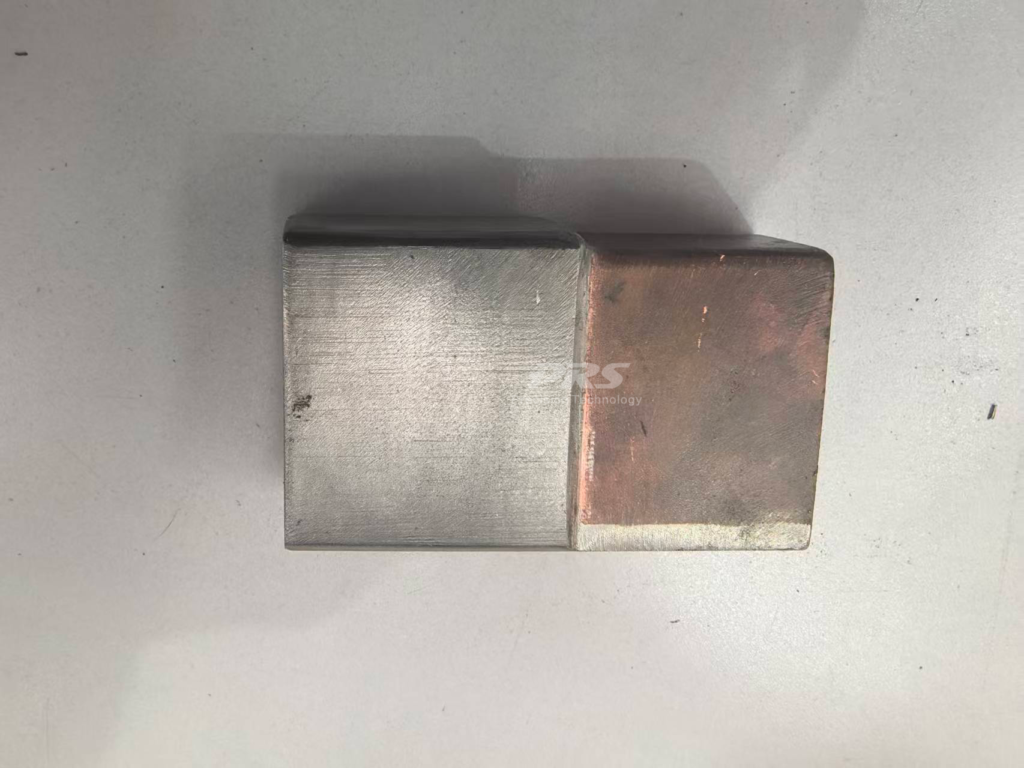
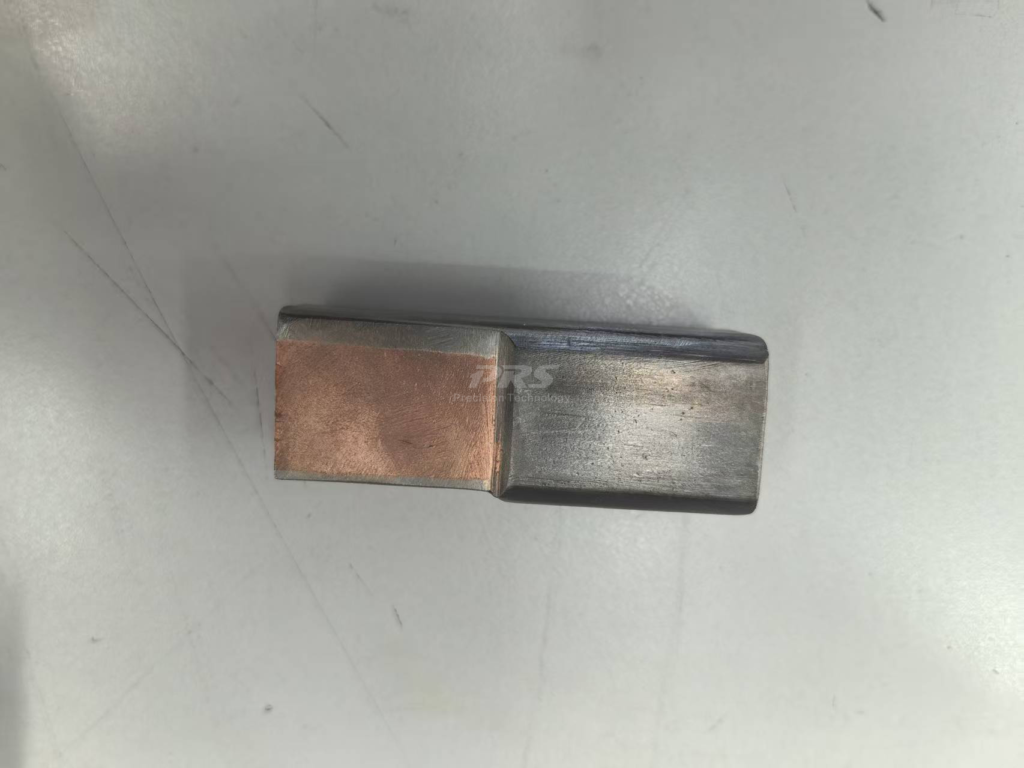
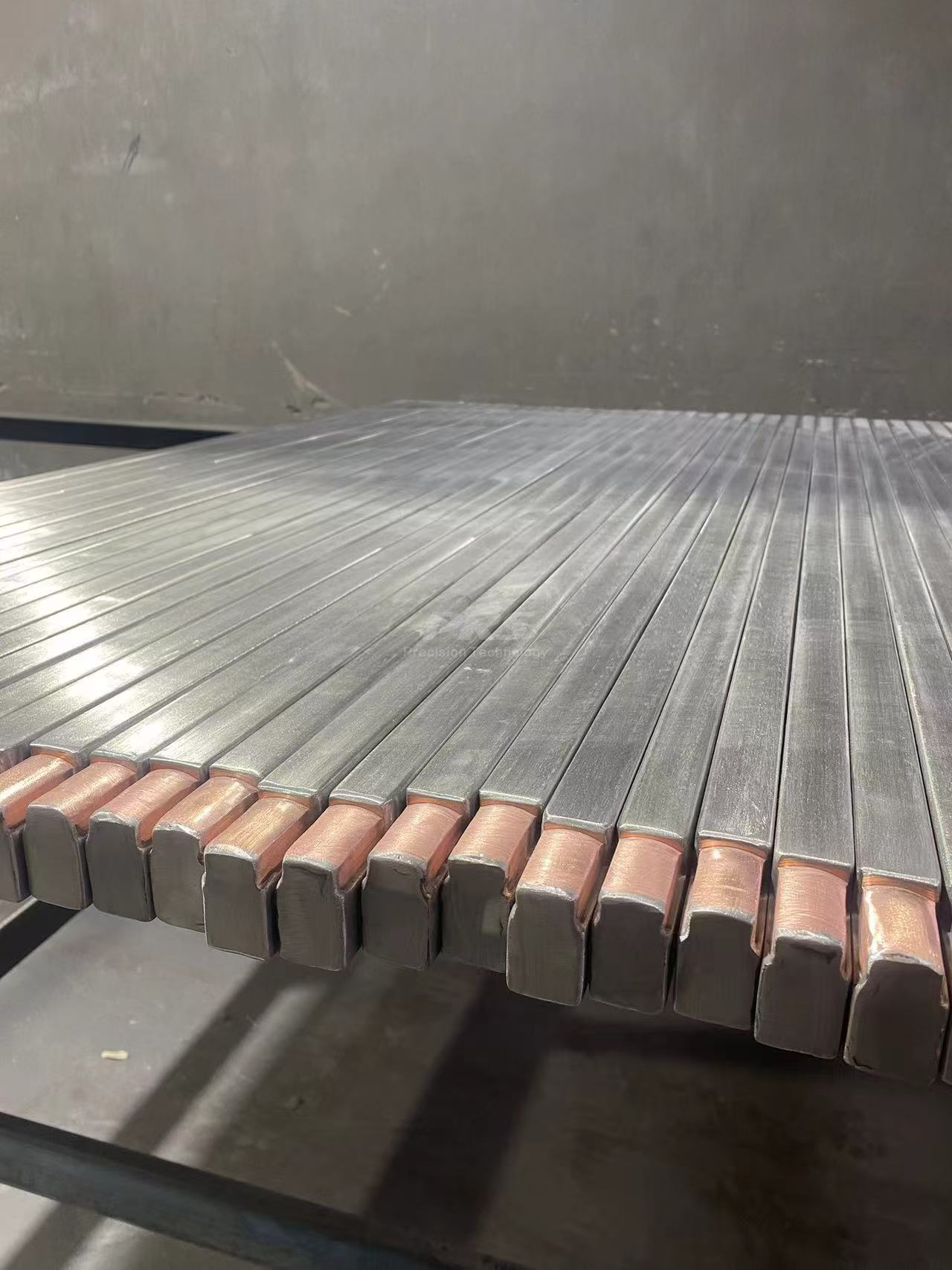
High-Strength Welding: The cathode blade is joined to the conductor bar using: Fully Automated Robotic Laser Welding for the conductive beam of stainless steel cladding copper and stainless steel blade, ensuring a perfect, high-integrity weld. Manual Acetylene Welding for the conductive beam of copper cladding stainless steel and the stainless steel blade, where the weld is made to the exposed stainless steel core through slots at the bottom of copper cladding.
- Manufacturing and Installation of the Edge Strips: PPO granules are feeded into a pultrusion mold to form the edge strip in one step. The edge strip with tension bar is then installed on both sides of the blade, with the bottom of the edge strip extending 2-3 mm beyond the bottom of the blade.
Why Choose LDX 2101? A Clear Comparison
Upgrading to a permanent cathode system is a strategic decision. Choosing the right material is critical for maximizing your return on investment.
LDX 2101 vs. 316L Stainless Steel
Higher Mechanical Strength: LDX 2101 offers roughly twice the yield strength of 316L. The yield strength of LDX 2101 is about 600 Mpa, and the yield strength of 316L is 280~300 Mpa. This significantly reduces the risk of blade bending or distortion during automated handling and stripping, leading to less downtime and maintenance. If your copper plant uses a rough, manual method to strip the cathode copper, then LDX 2101 stainless steel cathode plates are more resistant to the impact and wear of stripping tools, reducing the cathode plate loss rate and significantly lowering your operating costs. Enhanced Corrosion Resistance: Particularly superior in environments with higher chloride ions, resisting stress corrosion cracking—a common failure point for 316L in harsh conditions. Cost-Effectiveness: Provides a better performance-to-price ratio than 316L, offering the durability of more expensive alloys at a lower cost. If the blades of cathode plate are large (e.g., 1100mm wide, 1400mm high, and 3.25mm thick), we recommend using LDX 2101 material to save on procurement and operating costs. This is because LDX 2101 cathode plates only need to be 3mm thick to meet the structural strength requirements and are less prone to deformation during operation.
Permanent Cathode (LDX 2101) vs. Starter Sheet Process
Eliminates Labor-Intensive Starter Sheet Production: No more depositing, stripping, and preparing delicate starter sheets. Perfect for Automation: Compatible with automated stripping machines, drastically reducing labor costs and improving workplace safety. Superior Cathode Quality: Produces consistently flat, high-quality cathodes with uniform edges, ideal for premium LME Grade A copper.
Our Multi-choice Conductive Beam Designs: Tailored to Your Needs
We offer 3 proven conductive beam configurations to meet specific process and budget requirements.
Technical Specifications:
Blade Material: LDX 2101 Stainless Steel Conductor Bar Options: Stainless Steel Cladding Copper, Copper Cladding Stainless Steel, or our Improved Triple-Layer design. Welding: Robotic Laser Welding or Manual Acetylene Welding (process-dependent).
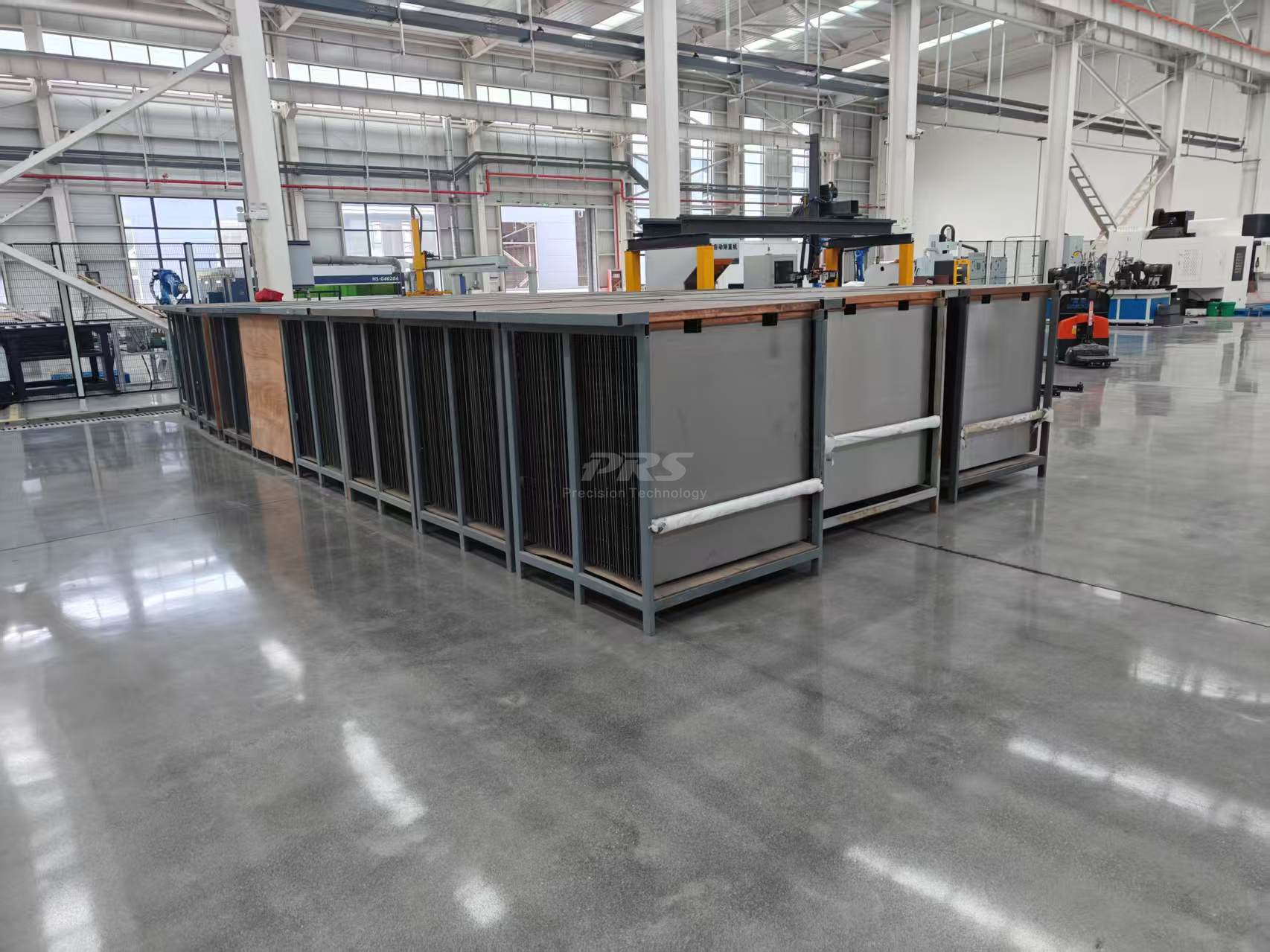
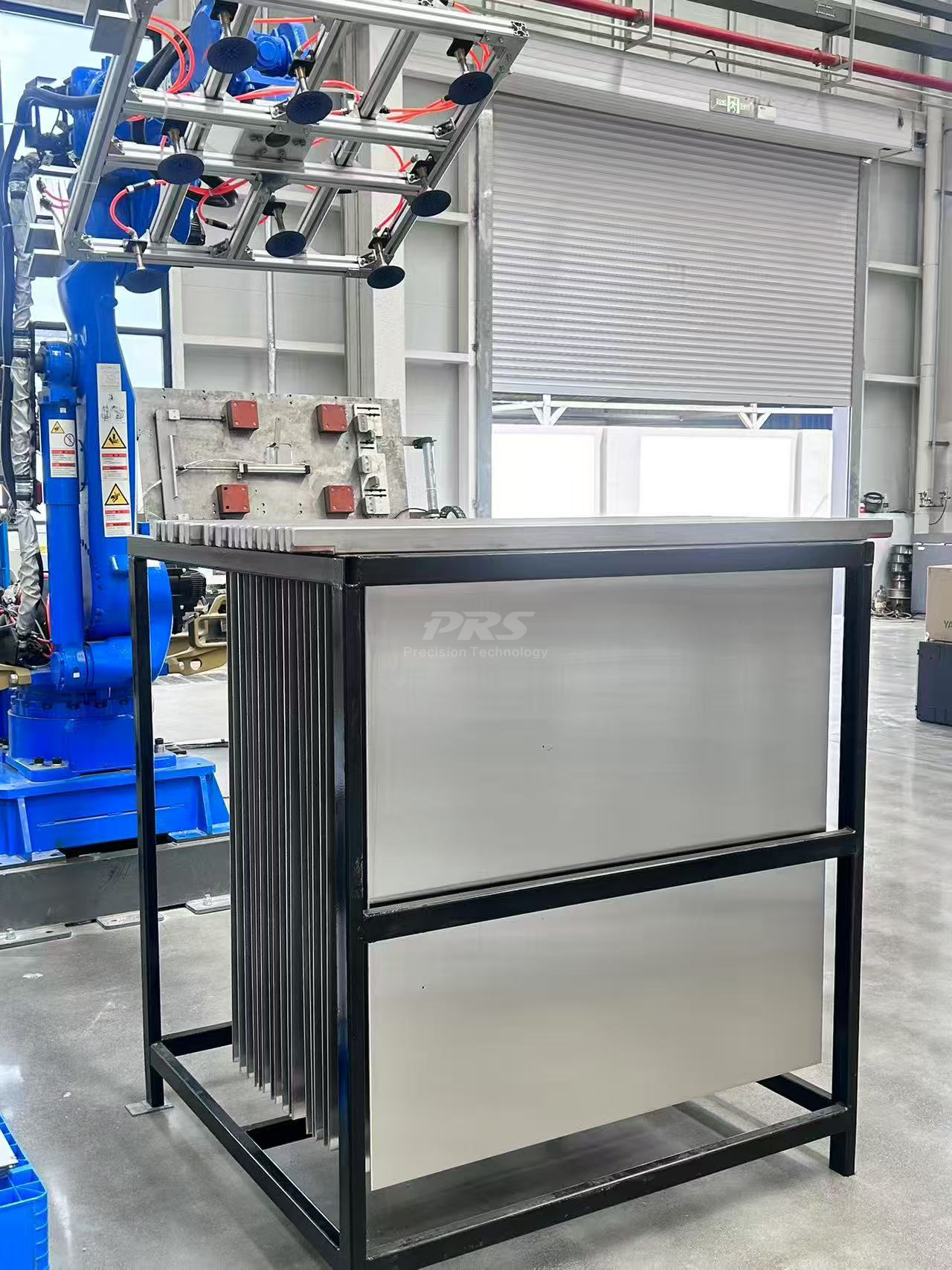
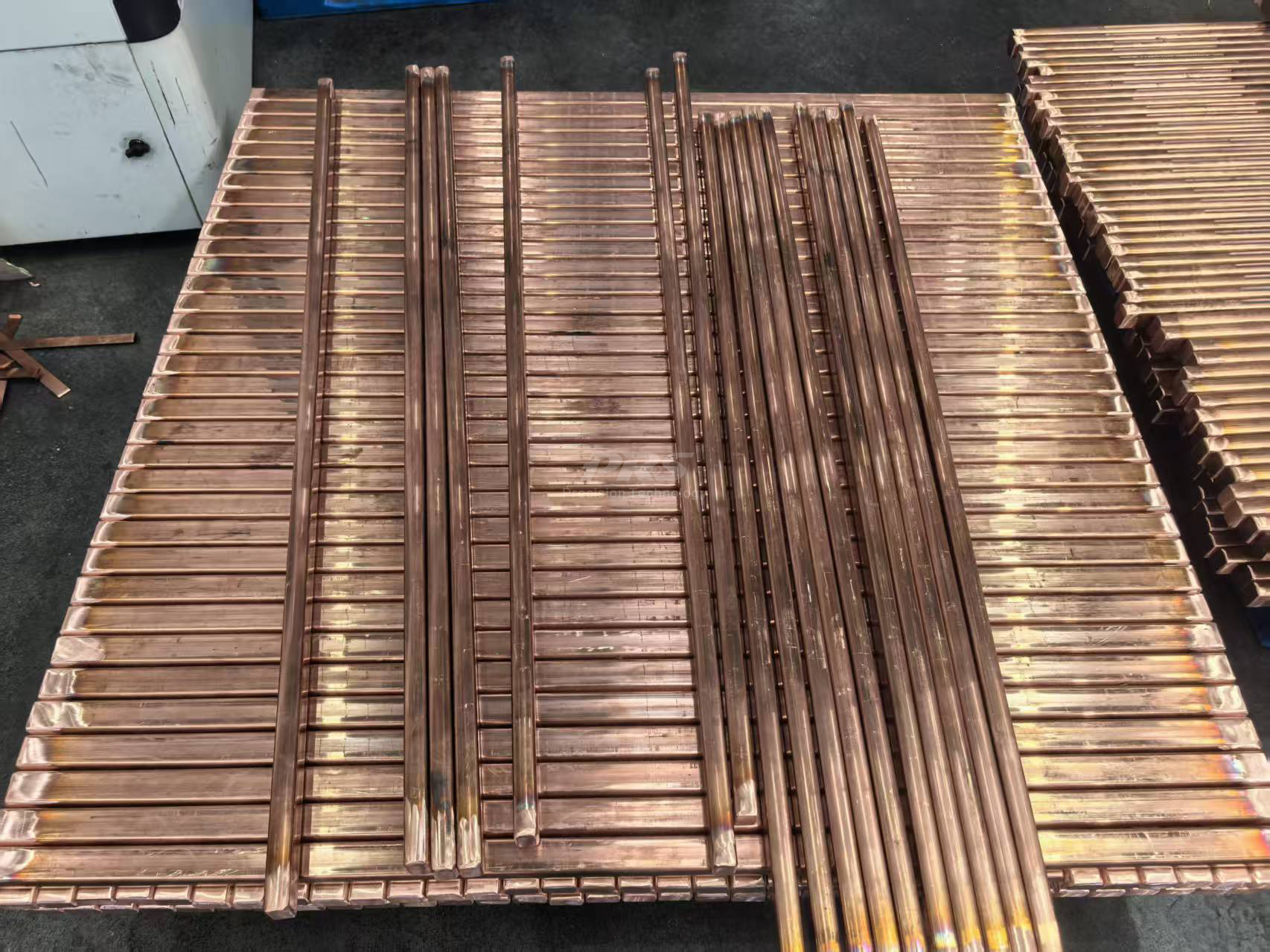
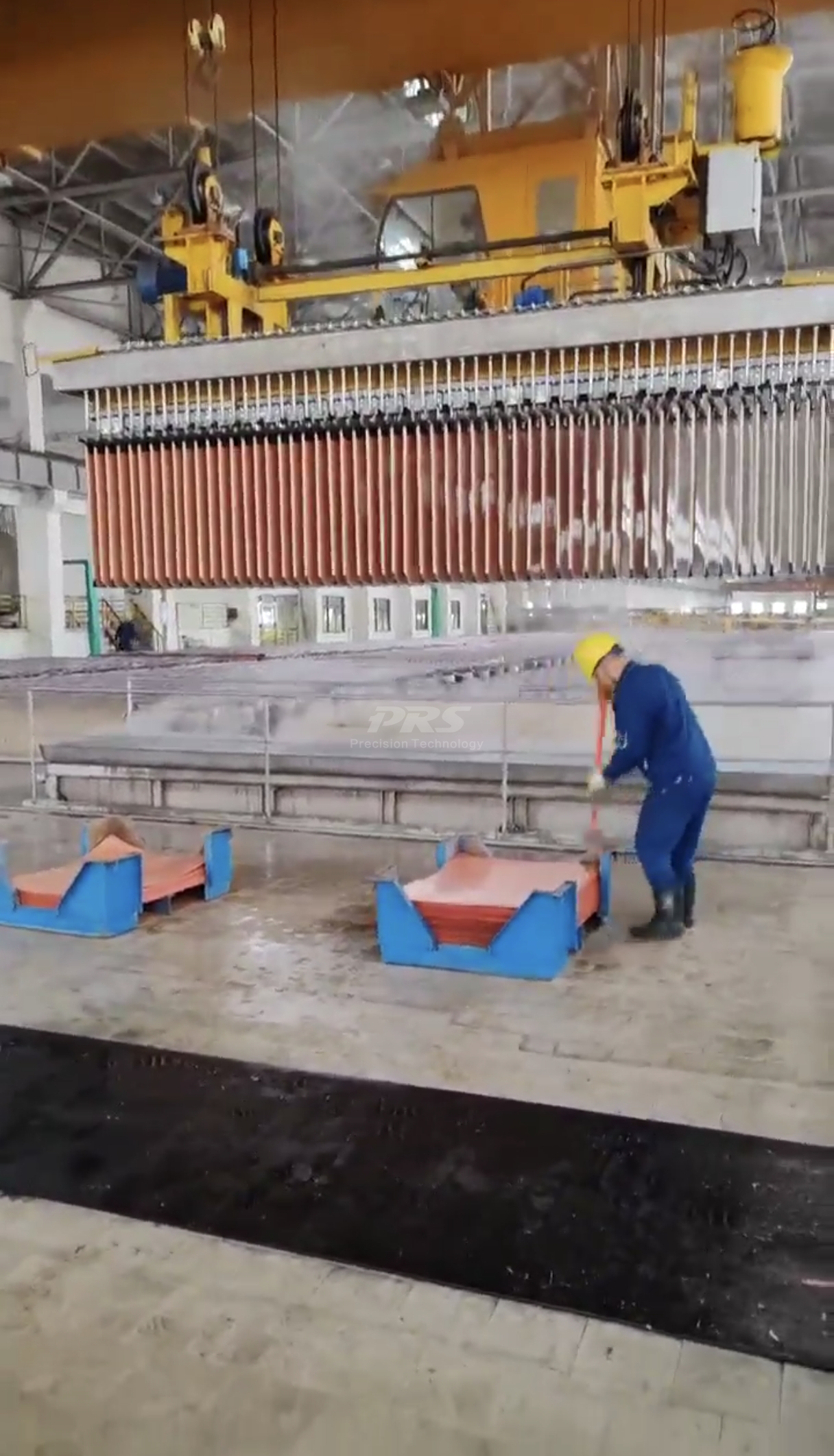
Photos of Massive Produced LDX 2101 Stainless Steel Cathode Plates and Project Sites
More Than Just a Supplier of Anode and Cathode Plates
PRS has a rich experienced engineering and technique team. We can provide EPC services including full process consulting, solution optimization, equipment integration / supply in system and on-site commissioning or remote guiding.
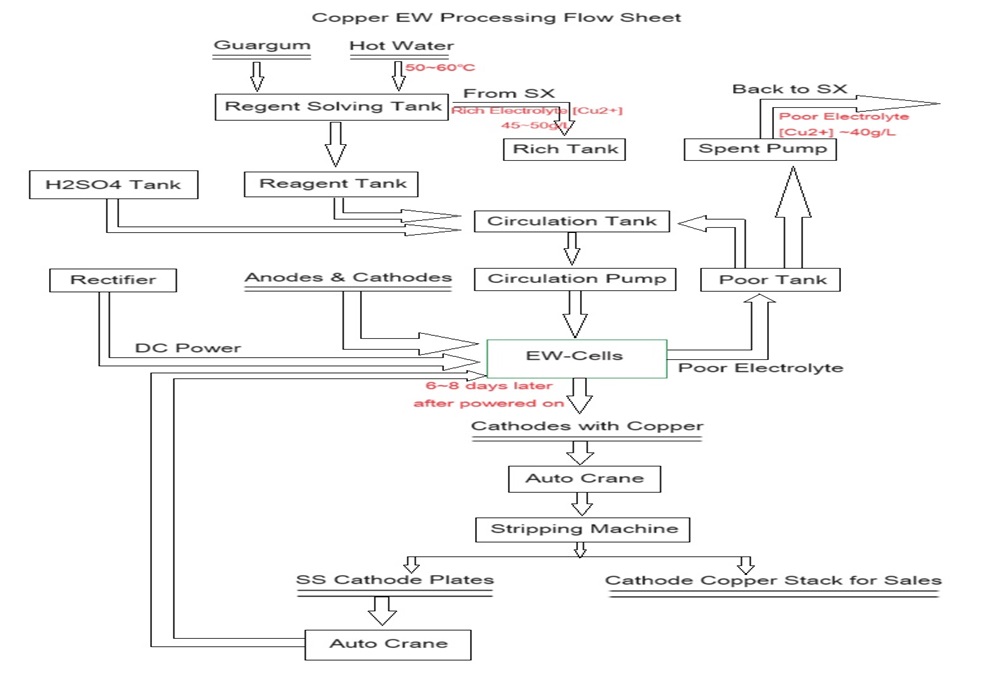
Process Consulting
Our seasoned sales and engineers teams will communicate with you. We are just consultant of your whole EW process, according to your requirements and local conditions.
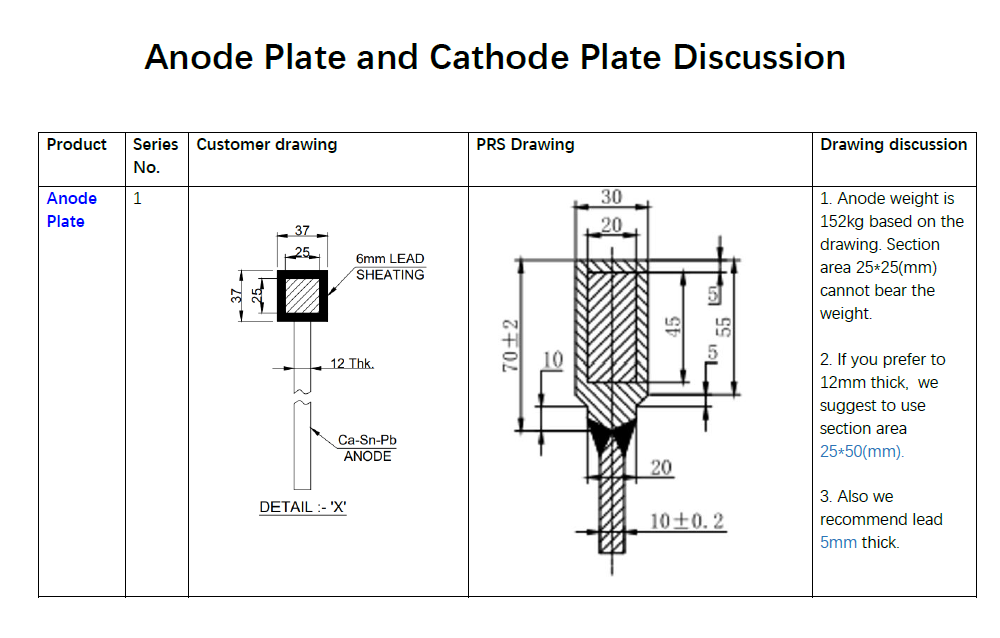
Drawings Optimization
The senior engineers from PRS can discuss the drawings with you, and provide reasonable suggests to optimize your drawings in maximum according to their rich experience.
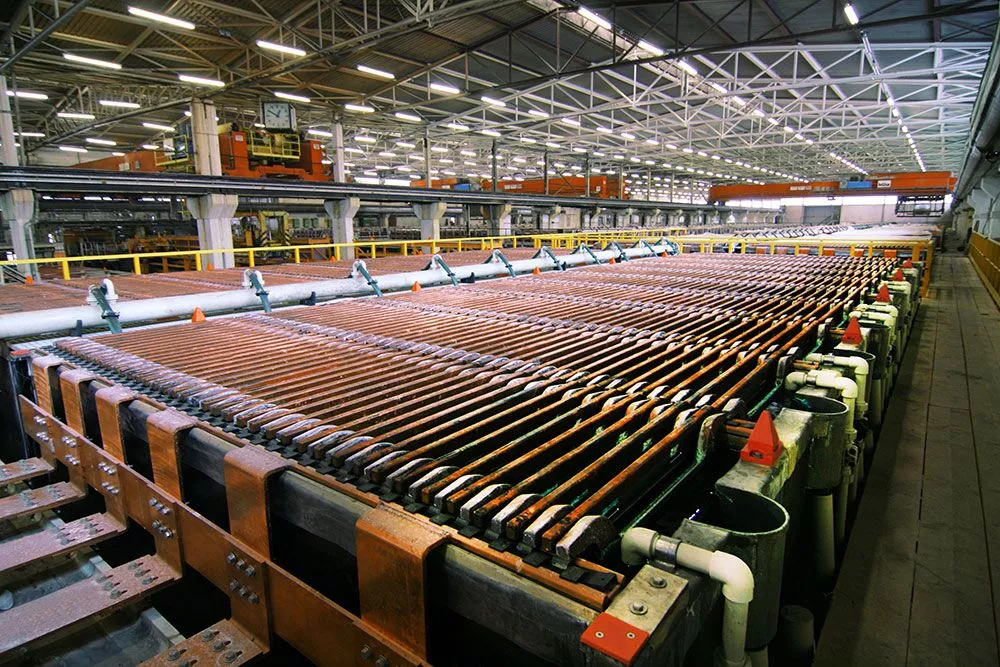
System Supply
PRS is able to supply system equipment to you with a full range of crushing – ball milling – flotation – leaching – extraction – electrowinning, including certificates required.
On-site Commissioning
On-site commissioning, guidance and installation are available if in need, and remote guidance service by engineers or technique experts from PRS is also open for you.
Upgrade to Durability and Efficiency.
Choose the cathode plate engineered for harsh realities. The LDX 2101 Stainless Steel Permanent Cathode delivers the toughness you need and the operational savings you demand.
