
316L Stainless Steel Cathode Plates for Copper Electrowinning and Electrorefining
For modern copper electrowinning or electrolysis plants, higher purity cathode copper, lower operating costs, and higher production efficiency have become the pursuit of more and more cathode copper manufacturers. This has led to the increasing adoption and application of permanent cathode technology – 316L stainless steel cathode plates – in copper electrowinning or electrolysis plants. Traditional starting sheet technology is gradually being phased out. Our 316L stainless steel cathode plates offer a longer service life, excellent conductivity, and a 2B-grade surface finish, providing a solid foundation for producing high-quality cathode copper while significantly reducing labor costs during operation.
Introduction to 316L Stainless Steel Cathode Plate
Provide reliable solutions for ISA and OK processes
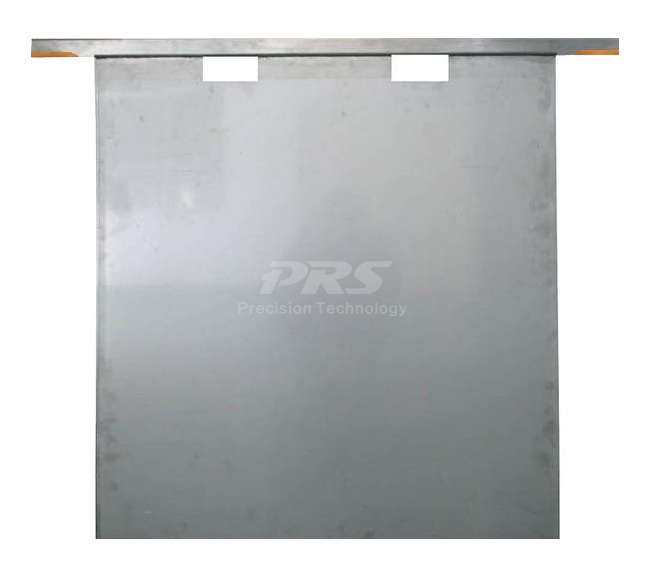
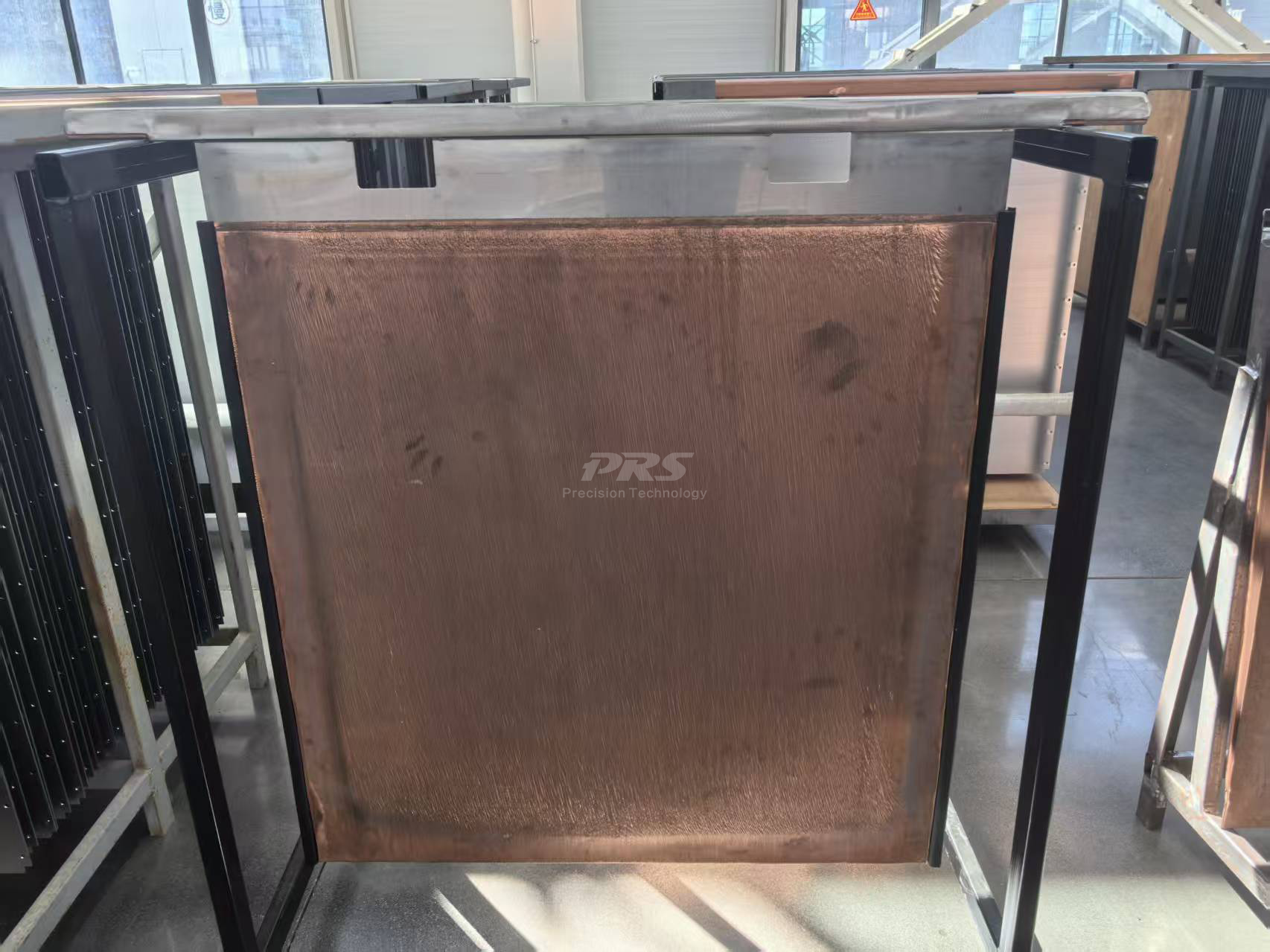
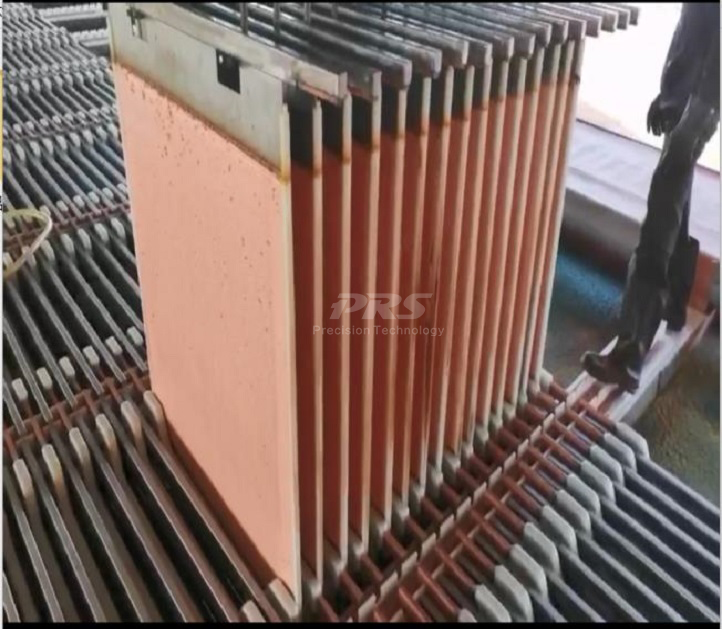
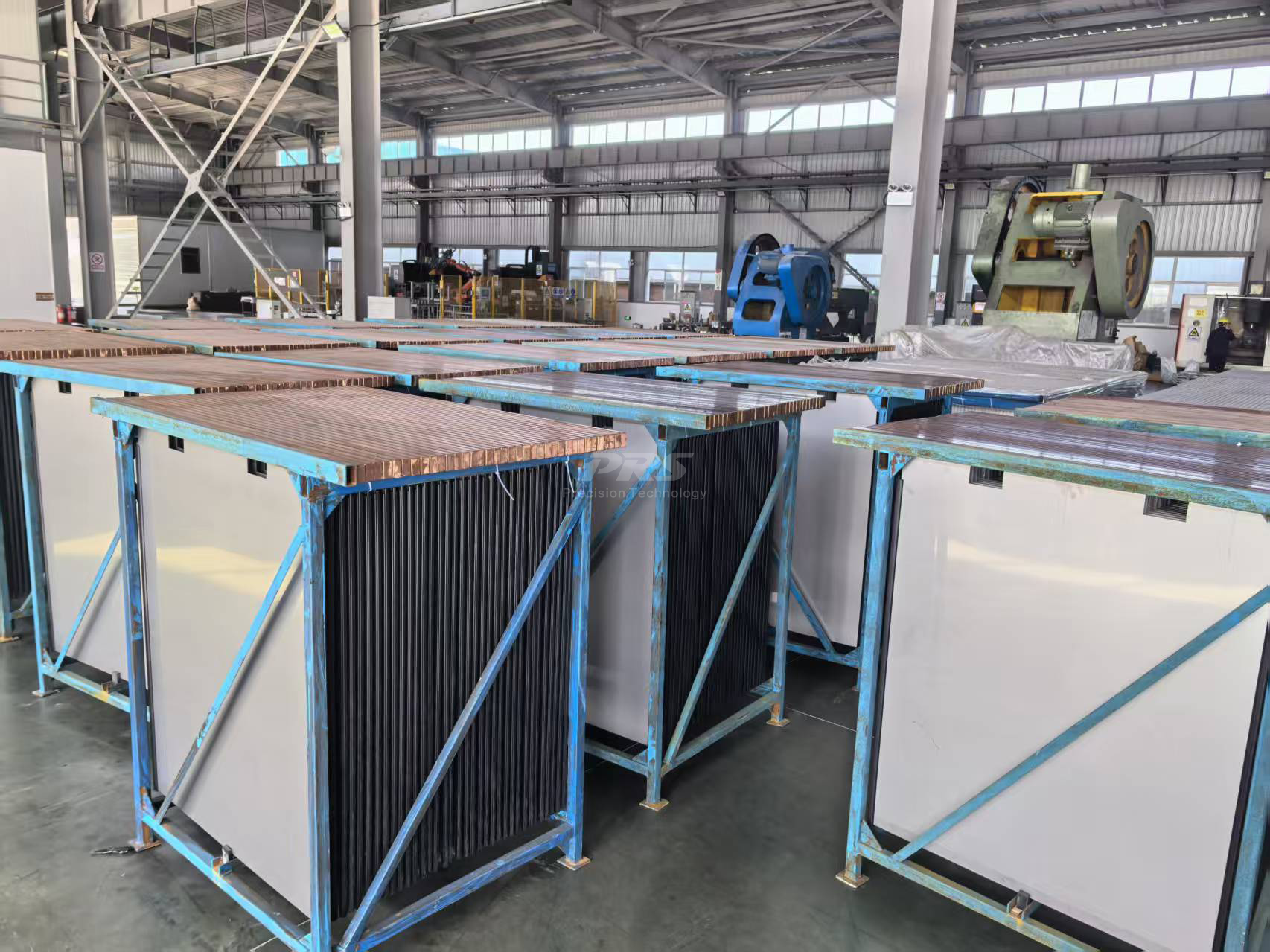
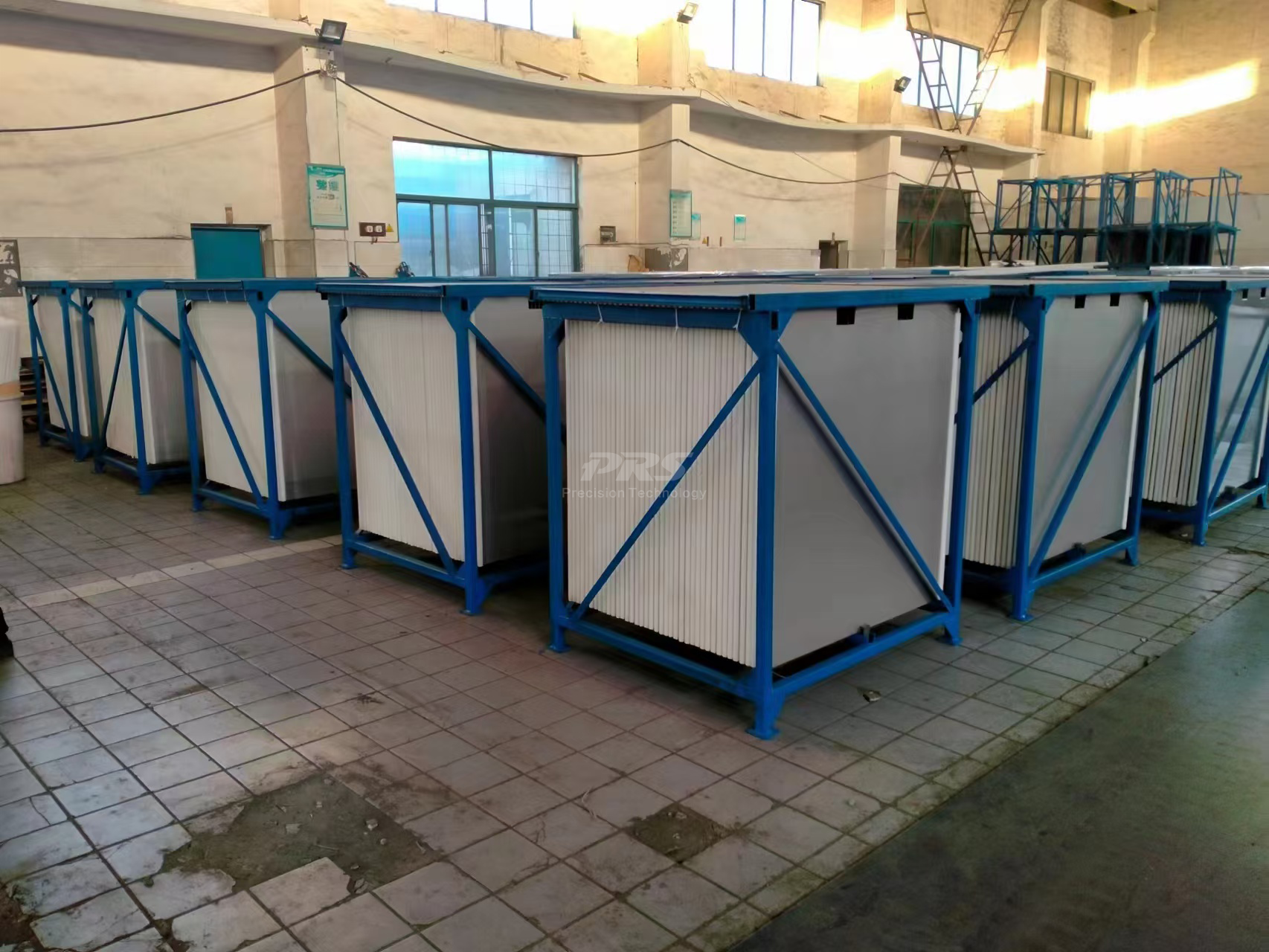
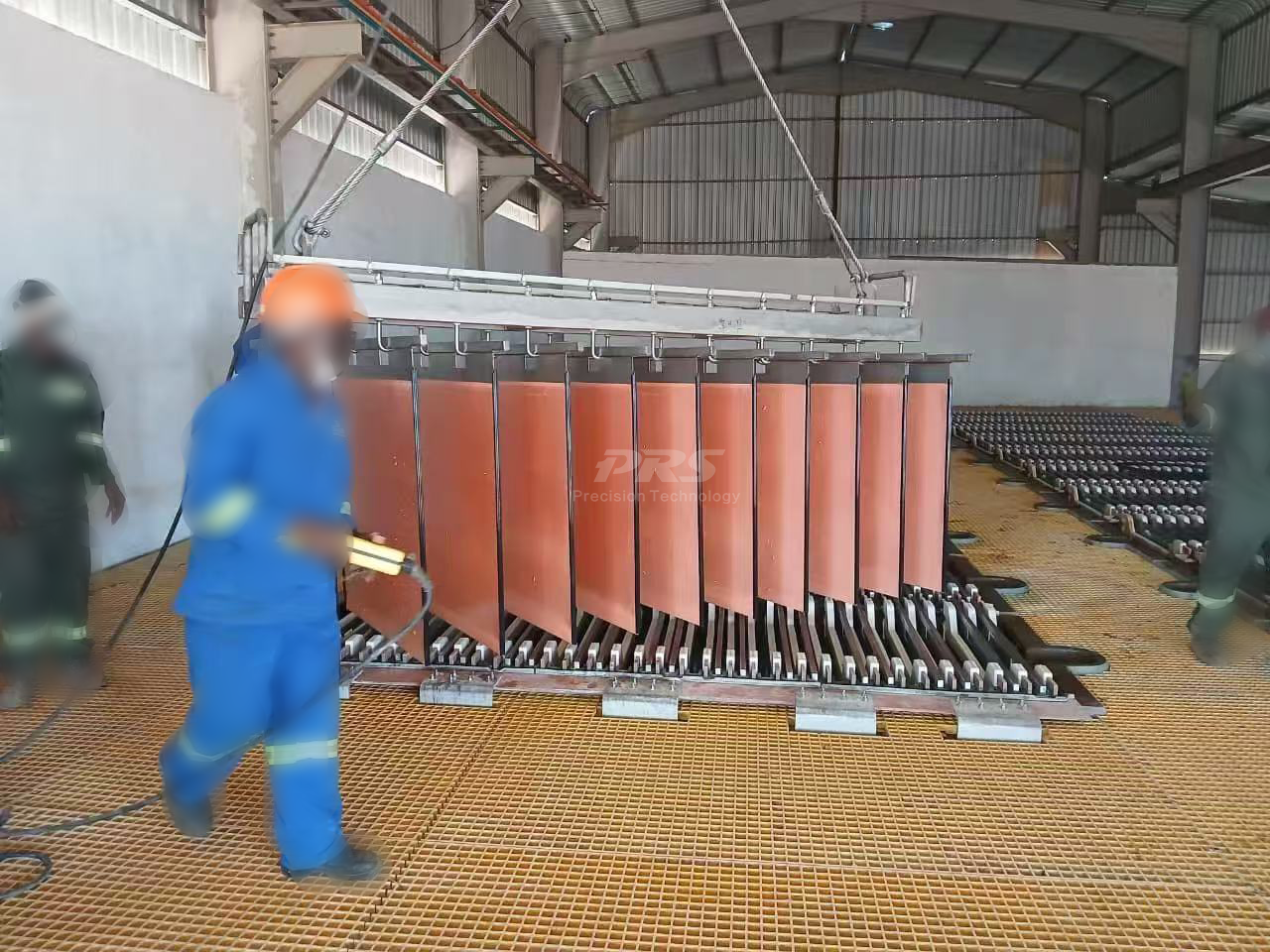
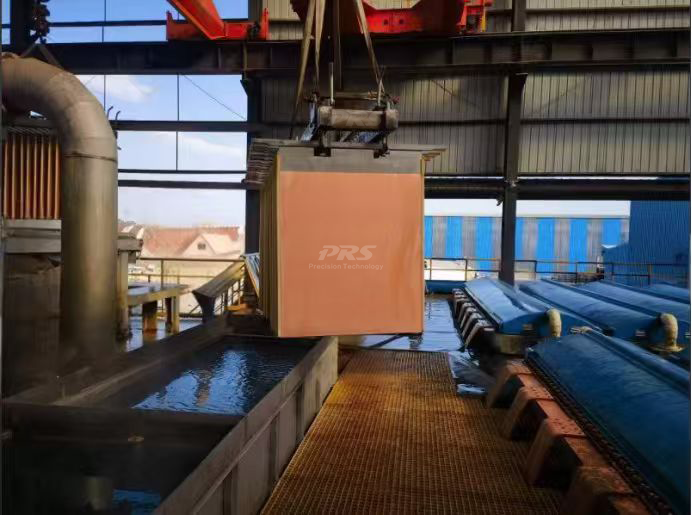
Details of Anode Plate and On-site Photos
Data of Performance
| Materials of the Blade | 316L Stainless Steel |
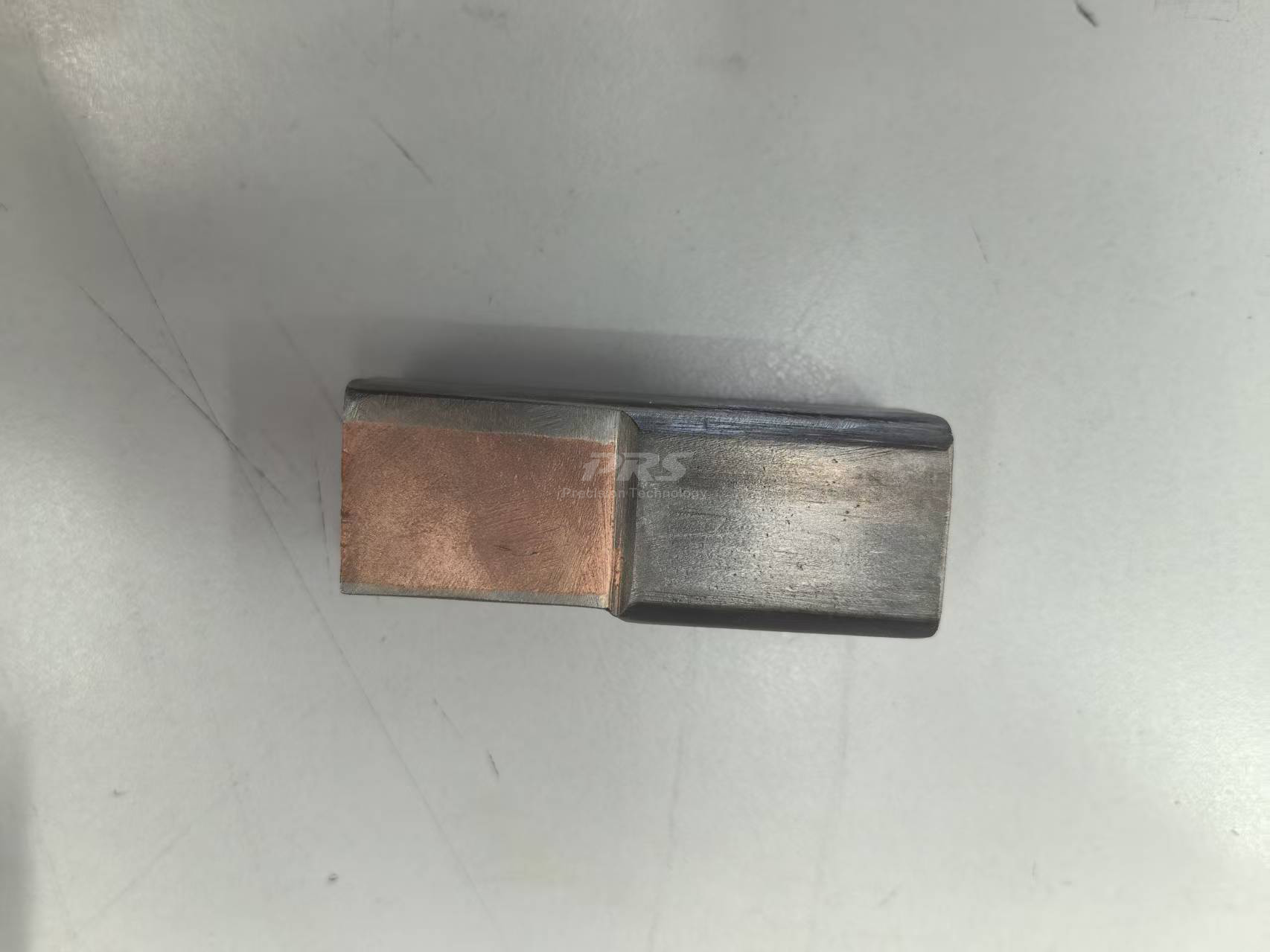
| Materials of the Conductive Beam | 316L Stainless Steel Cladding Copper (ASTM C11000); Copper (ASTM C11000) Cladding 316L Stainless Steel or Carbon Steel |
| Effective Plate Area | 2 Square Meters |
| Application for | Copper EW or ER |
| Service Life under Normal Conditions | 15 Years |
1. The material of the blade is made by TISCO.
2. The stainless steel tube of the conductive beam is made by TISCO or Qingshan Steel, and the inner copper rod is made of ASTM C11000 copper, and the purity of copper is 99.90%.
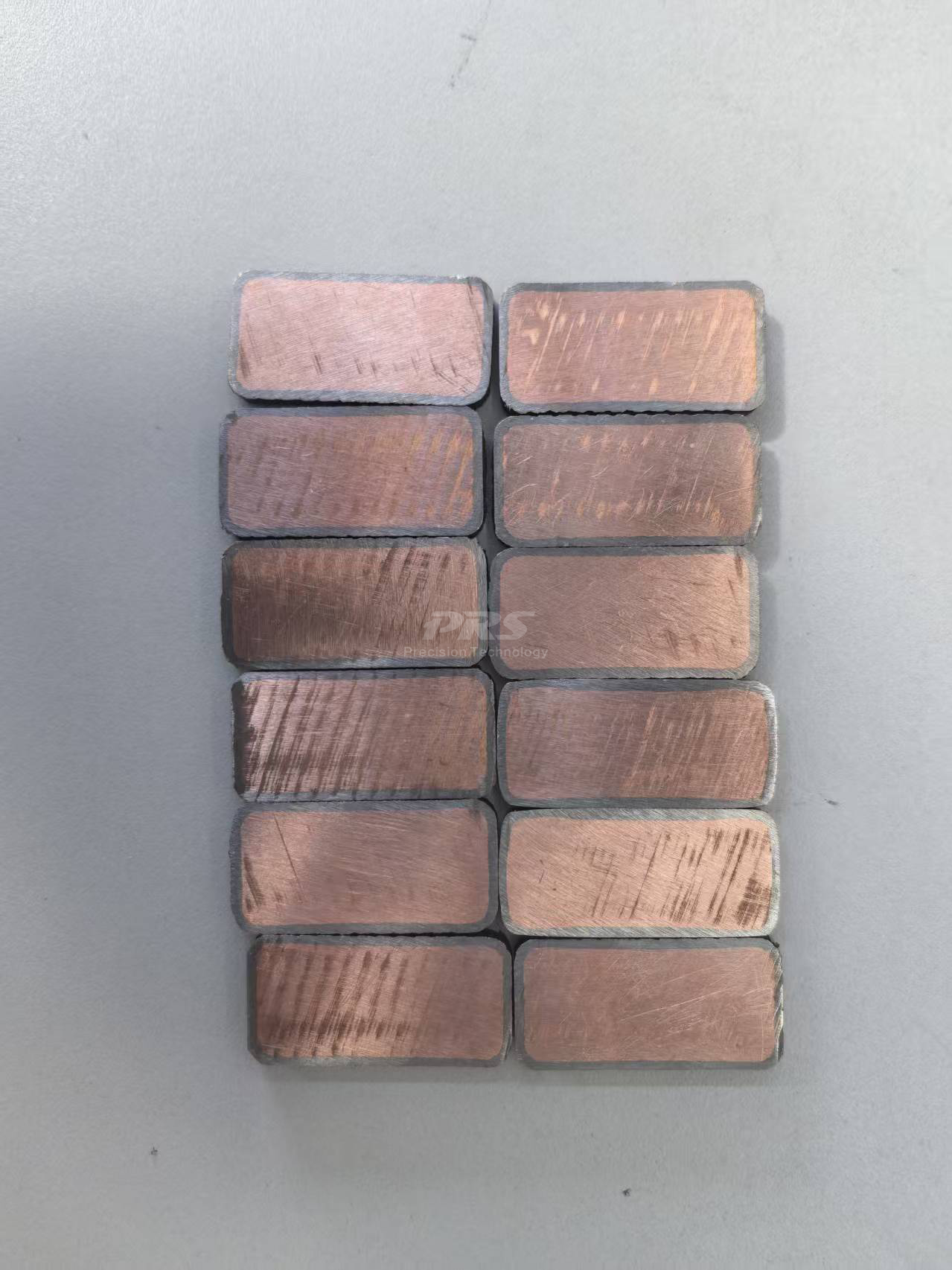
3. The stainless steel sheath and the inner copper rod achieve a metallurgical bond, which improves corrosion resistance. The surface finish grade of the blade is 2B grade.
4. A fully automatic robot is used for laser welding between the stainless steel blade and the conductive beam without flux. During the welding process, the plate surface will not be deformed due to overheating. After welding, the appearance of the weld is smooth and bright. This can effectively ensure the conductivity and mechanical strength of the copper conductive beam and the verticality and flatness of the stainless steel blade.
5. The electric resistance between the copper conductive end and a point on the center line of bottom of the blade is less than or equal to 0.5 mΩ.
6. The electric resistance between a copper conductive end and its diagonal line to the bottom of the blade is 0.01 ~ 0. 02 mΩ.
Engineered for Precision: High-Performance Permanent 316L S.S. Cathode Plates for Superior Copper Quality
In modern copper smelters, the shift to permanent cathode technology is driven by the demand for higher purity, lower operational costs, and automated stripping. The starter sheet process is becoming obsolete. Our 316L Stainless Steel Permanent Cathode Plates are engineered to the highest standards, offering the longer service life, perfect conductivity, and compatibility with automated systems. We provide robust solutions for both the ISA and OK processes, ensuring your operation achieves peak efficiency and produces premium-grade cathode copper.
Uncompromising Materials & Precision Engineering
The reliability of our cathode plates begins with superior raw materials and a manufacturing process focused on perfection.
1. Premium Material Sourcing:
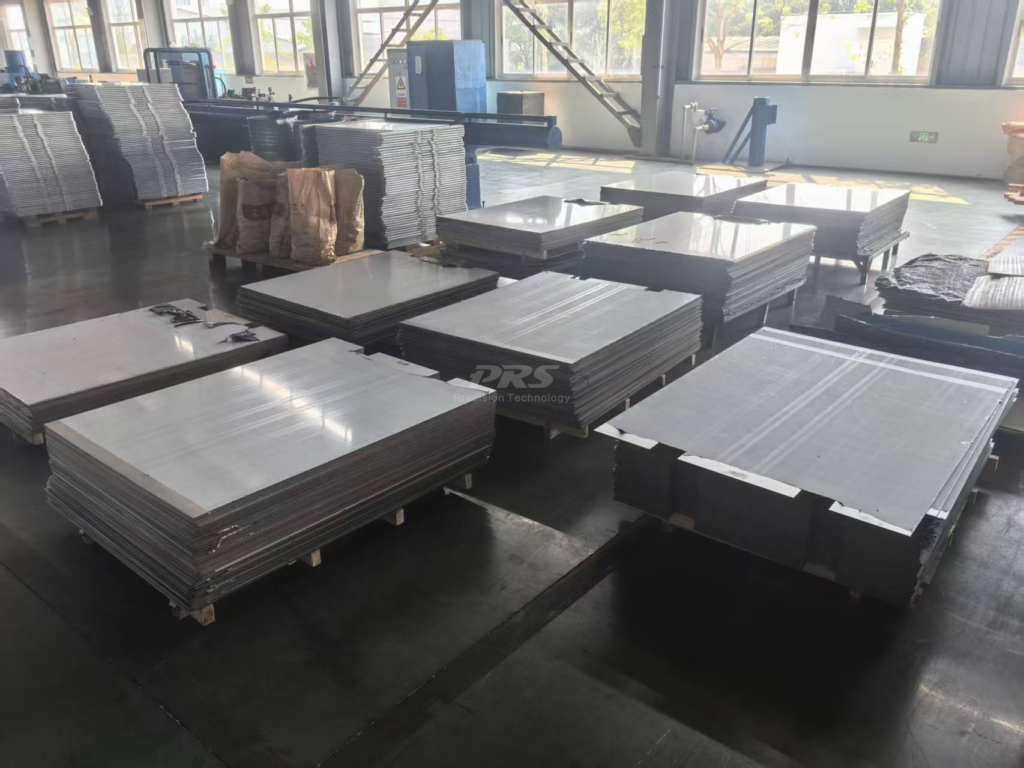
Cathode Blade (Blank Sheet): Manufactured from high-grade 316L Stainless Steel, sourced directly from TISCO. This guarantees consistent quality, superior corrosion resistance, and reliable lead times. Conductive Beam Cladding: The protective outer sheath is also made from 316L Stainless Steel (TISCO or Qingshan Steel), ensuring complete resistance to acid mist corrosion. Conductive Beam Core: The internal copper rod is made from ASTM C11000 Copper from a leading domestic supplier, providing optimal electrical conductivity. - PPO Granules: The raw material for the edge strips was sourced from a leading domestic PPO material manufacturer.
2. Advanced Manufacturing Process:
Step 1: Metallurgical Bonding of the Conductive Beam. This is a critical differentiator. We use a specialized process to create a perfect metallurgical bond between the stainless steel sheath and the copper rod. This eliminates air gaps, ensures maximum current transfer, and prevents deterioration over time.
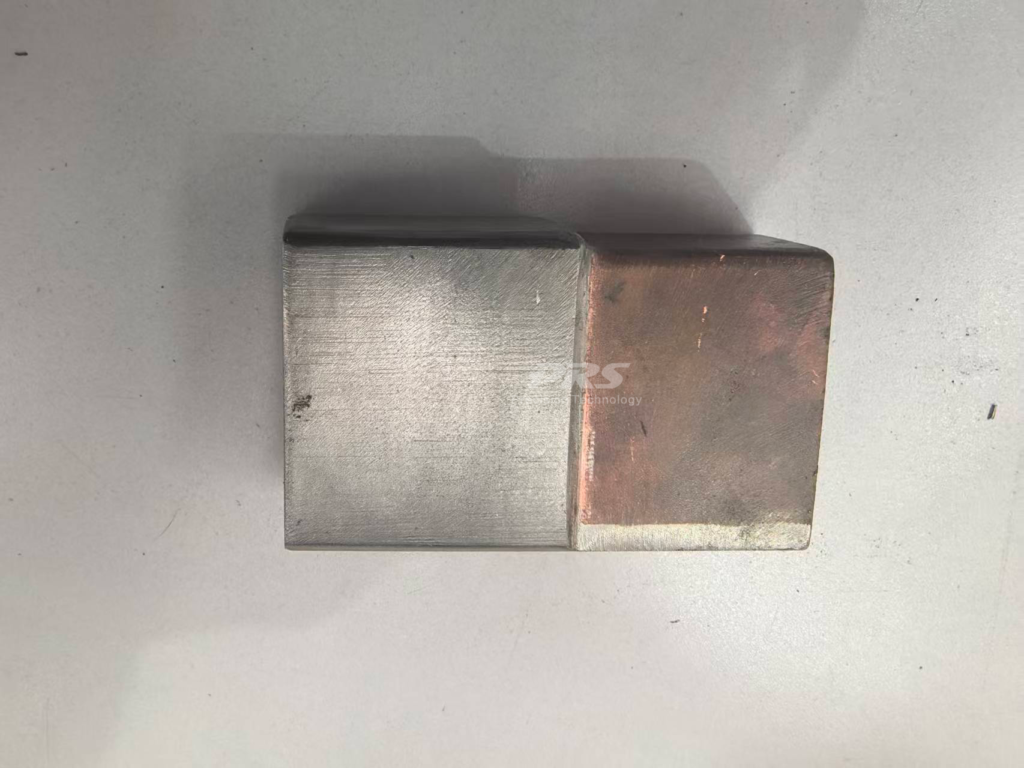
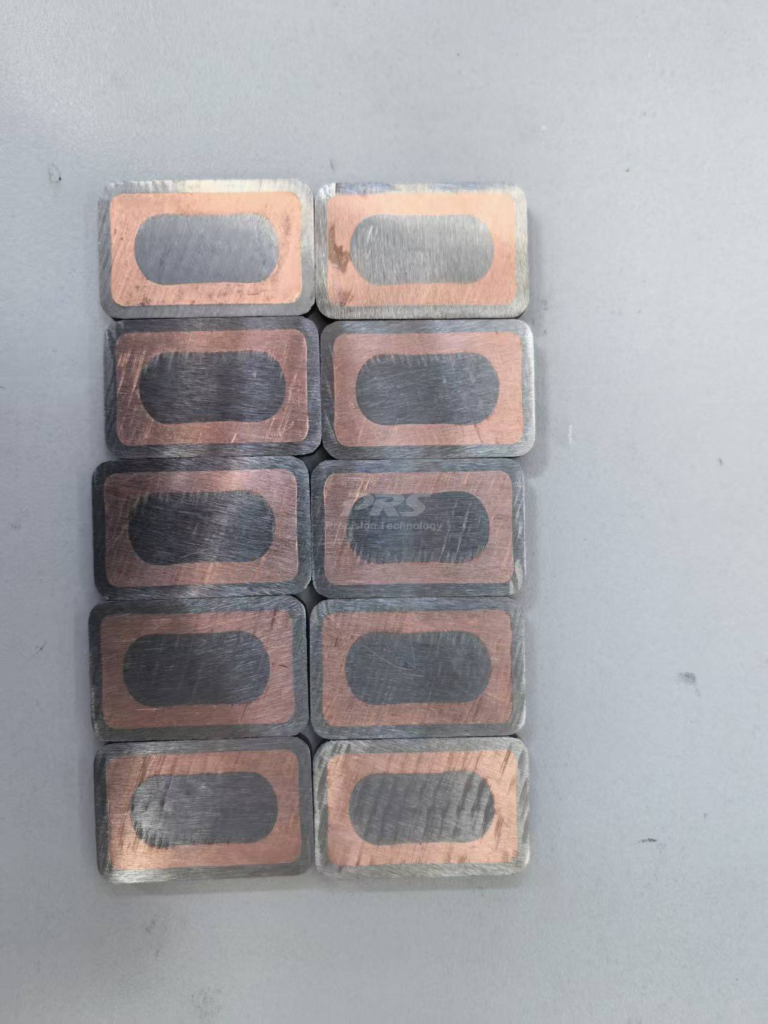
Step 2: Robotic Laser Welding. The conductive beam is then welded to the 316L cathode blade using a fully automated robotic laser welding system. This creates a stronger, more precise, and consistent weld than manual methods, guaranteeing long-term structural integrity.
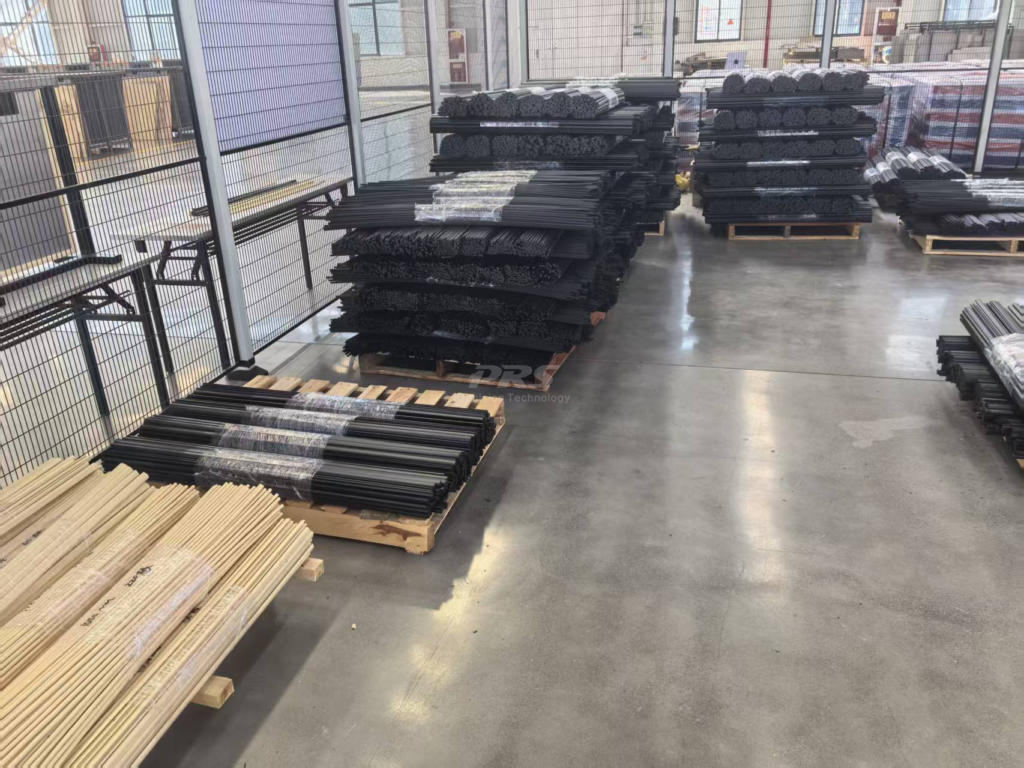
- Step 3: Manufacturing and Installation of the Edge Strips. PPO granules are feeded into a pultrusion mold to form the edge strip in one step. The edge strip with tension bar is then installed on both sides of the blade, with the bottom of the edge strip extending 2-3 mm beyond the bottom of the blade.
Superiority Over the Starter Sheet Process & Our Flexible Design Options
The permanent cathode system eliminates the labor-intensive and inconsistent starter sheet process. Our cathodes are designed for automated stripping, resulting in:
1. Consistent Cathode Quality:
Perfectly flat and uniform surfaces enable the production of higher-grade, more uniform copper cathodes.
2. Significant Labor Reduction:
Fully compatible with automated cathode stripping machines, drastically reducing manpower requirements and operational costs.
3. Enhanced Safety:
Minimizes manual handling, creating a safer working environment.
We Offer 3 Distinct Conductive Beam Designs to Meet Your Specific Process and Budgetary Needs:
Details of the Cross Section of Conductive Beam - Stainless Steel Cladding Copper
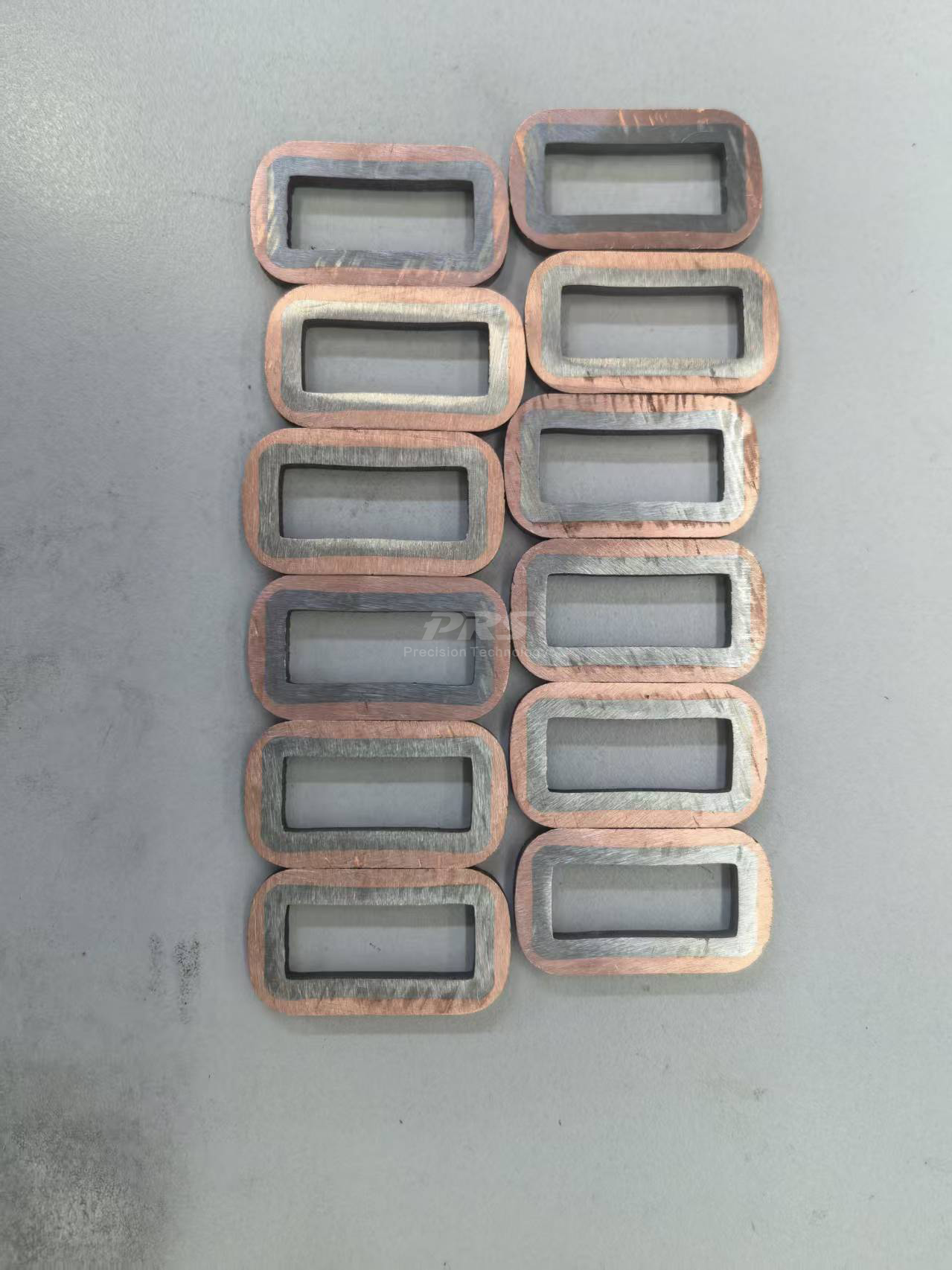
Details of the Cross Section of Conductive Beam - Copper Cladding Stainless Steel
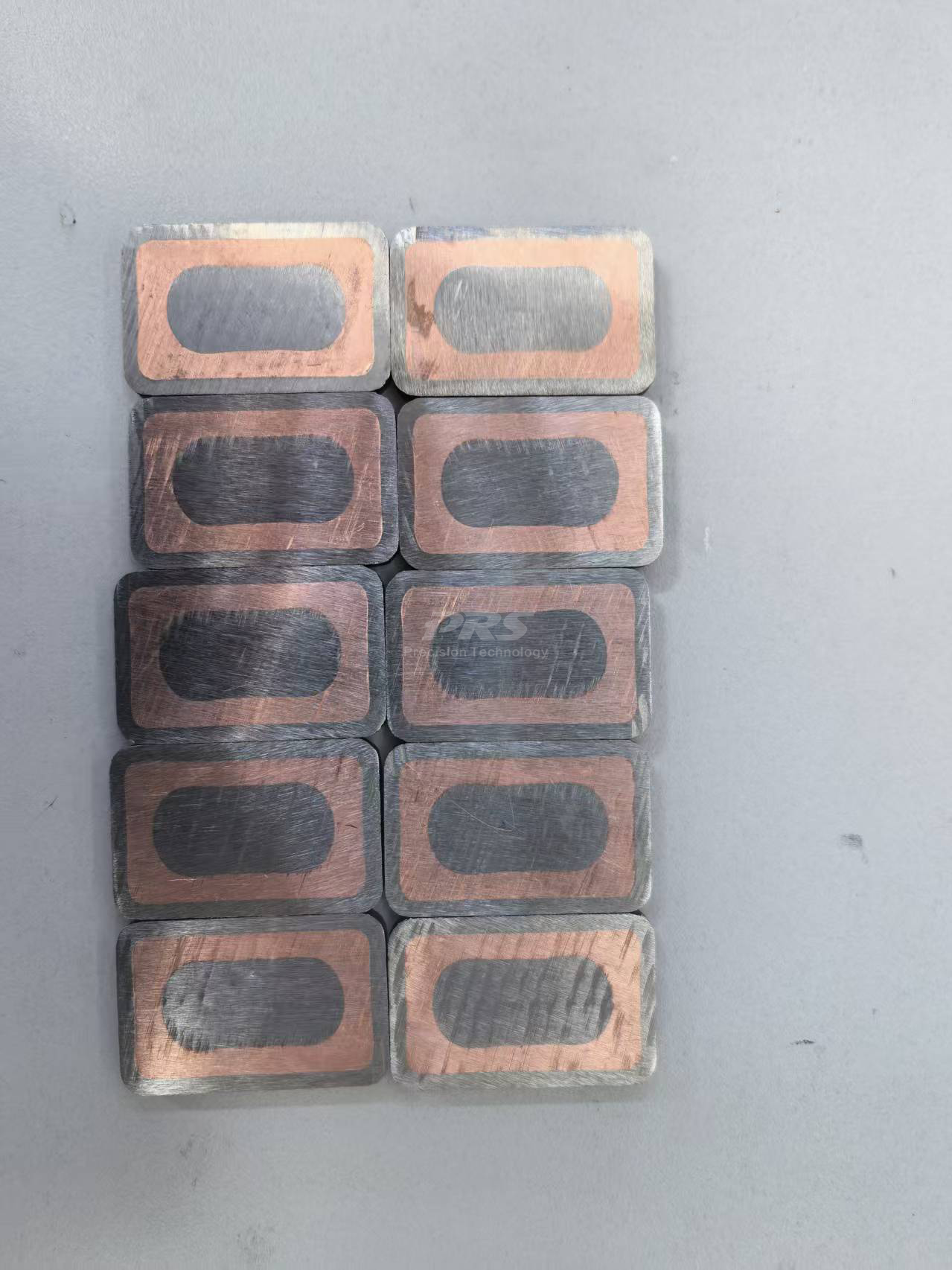
Details of the Cross Section of Conductive Beam - Stainless Steel Cladding Copper Cladding Mild Steel
Why Choose Our Permanent 316L Stainless Steel Cathodes?
Guaranteed Quality: Use of TISCO 316L stainless steel and certified copper ensures product excellence. Proven Process Compatibility: We are experts in both ISA and OK technologies. Reduced Total Cost of Ownership: Durable construction and compatibility with automation lead to massive long-term savings. Technical Expertise: Our team can advise on the best option for your specific tank house conditions.
Technical Specifications:
Blade Material: 316L Stainless Steel Conductive Beam Options: Stainless Cladding Copper, Copper Cladding Steel, or our Improved Triple-Layer design. Welding: Automated Robotic Laser Welding or Manual Acetylene (process-dependent). Process: Compatible with ISA Process, OK Process, and other permanent cathode systems.
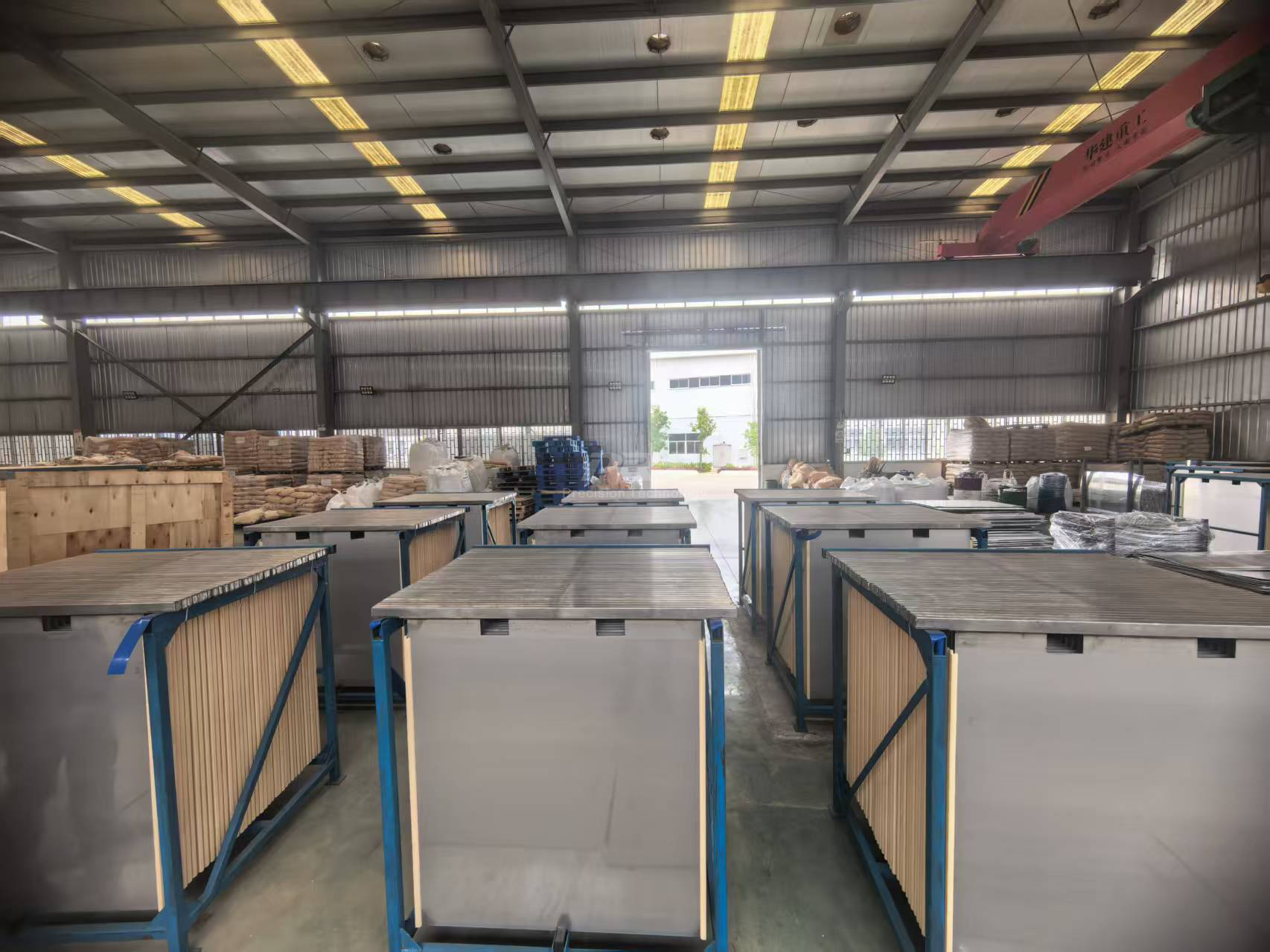
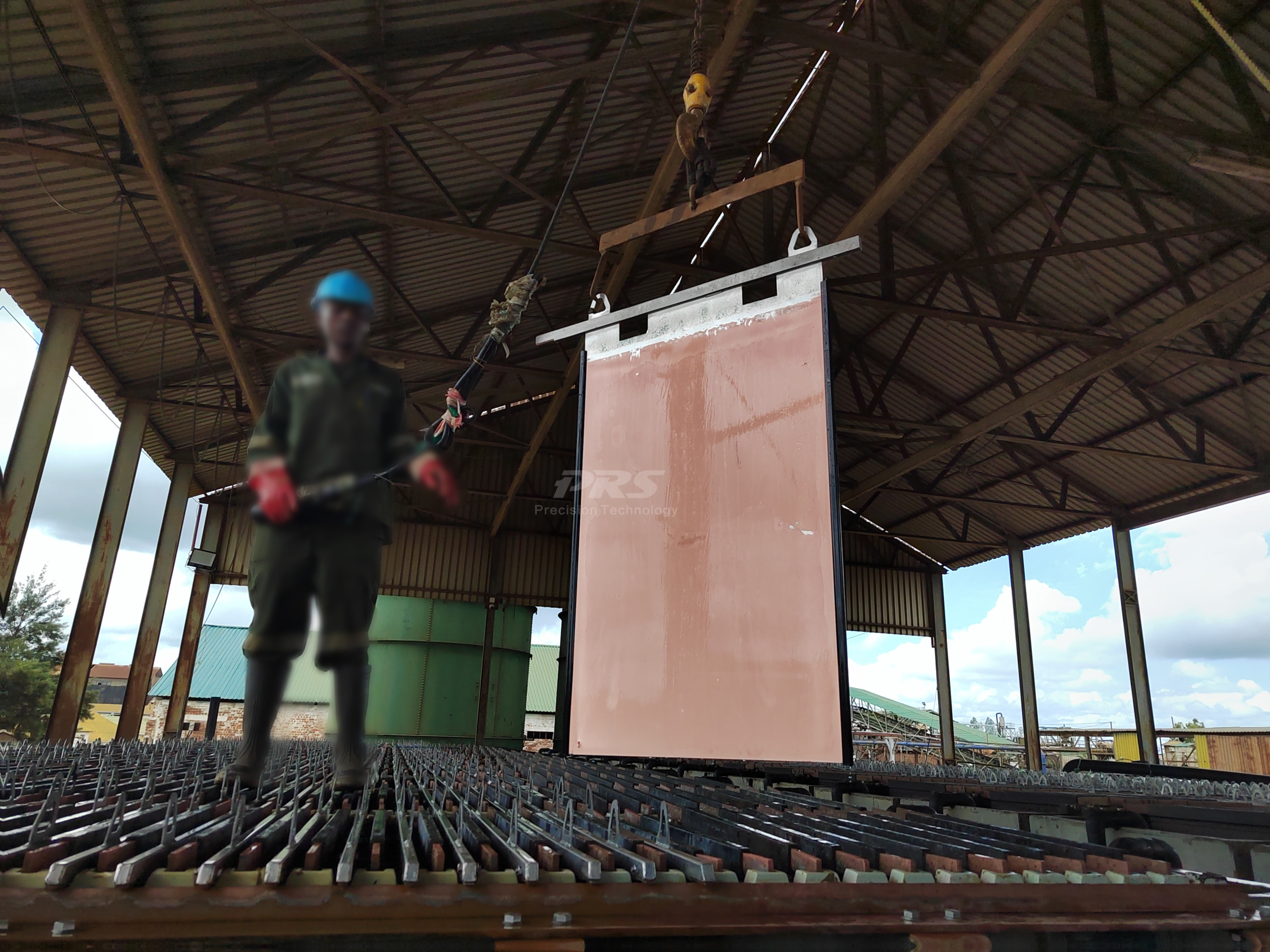
More Than Just a Supplier of Anode and Cathode Plates
PRS has a rich experienced engineering and technique team. We can provide EPC services including full process consulting, solution optimization, equipment integration / supply in system and on-site commissioning or remote guiding.
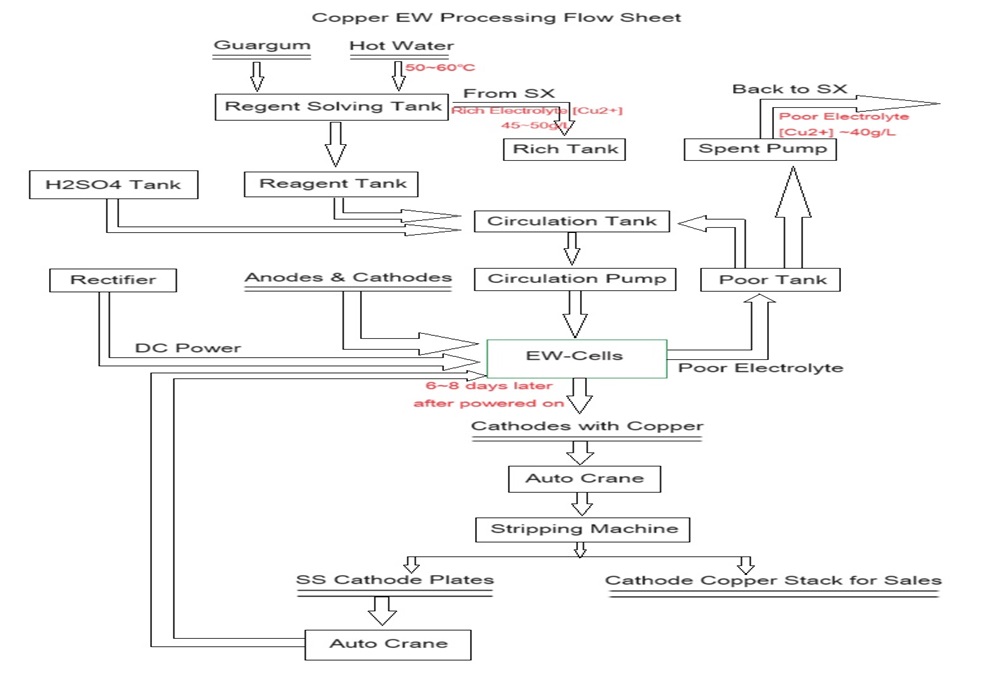
Process Consulting
Our seasoned sales and engineers teams will communicate with you. We are just consultant of your whole EW process, according to your requirements and local conditions.
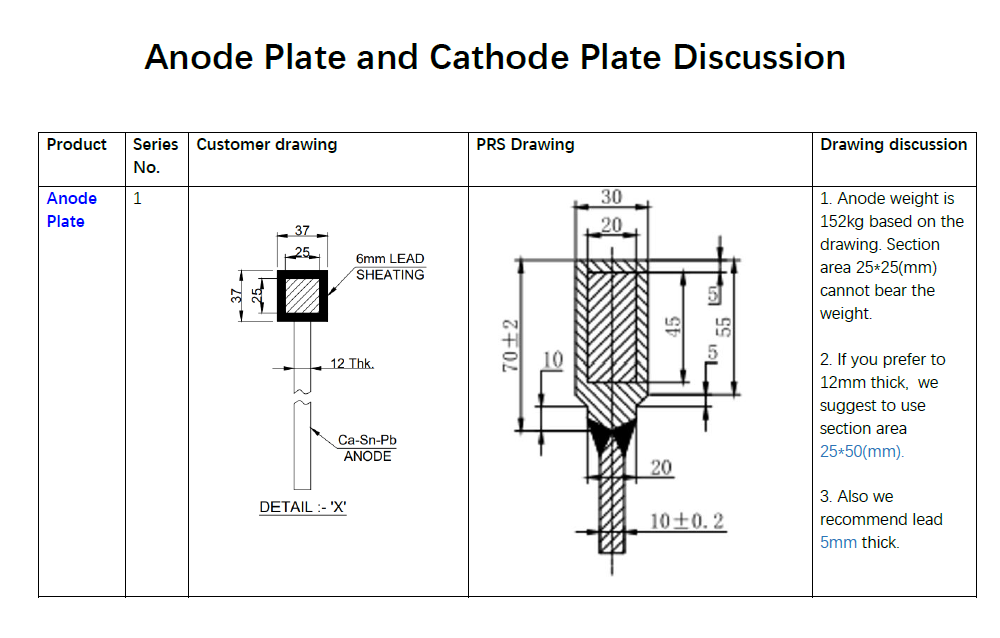
Drawings Optimization
The senior engineers from PRS can discuss the drawings with you, and provide reasonable suggests to optimize your drawings in maximum according to their rich experience.
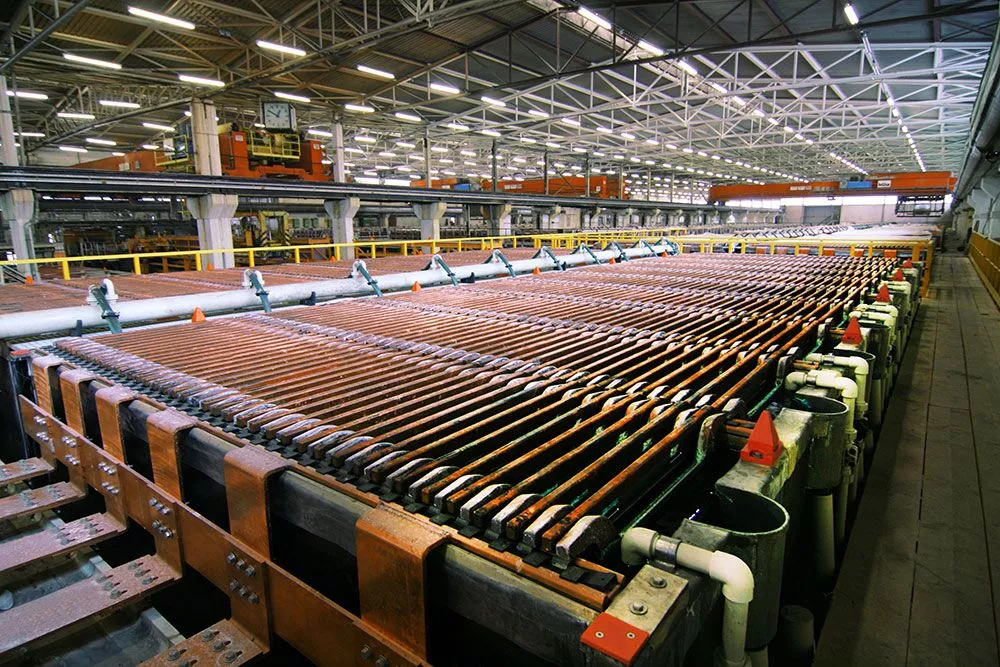
System Supply
PRS is able to supply system equipment to you with a full range of crushing – ball milling – flotation – leaching – extraction – electrowinning, including certificates required.
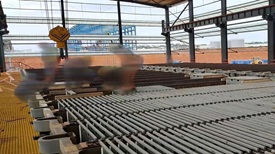
On-site Commissioning
On-site commissioning, guidance and installation are available if in need, and remote guidance service by engineers or technique experts from PRS is also open for you.
Ready to Upgrade Your Electrowinning or Electrorefinning Plant Efficiency?
Move beyond the limitations of the starter sheet process. Partner with us to implement a permanent cathode solution that boosts your productivity and product quality.
