
2205 Duplex Stainless Steel Cathode Plates for Copper Electrowinning and Electrorefining
For modern copper electrowinning or electrolysis plants, higher purity cathode copper, lower operating costs and investment costs, and higher production efficiency have become the pursuit of more and more cathode copper manufacturers. This has led to the increasing attempt and application of permanent cathode technology – 2205 duplex stainless steel cathode plates – in copper electrowinning or electrolysis plants. Traditional starting sheet technology is gradually being phased out. Our 2205 duplex stainless steel cathode plates offer a longer service life, excellent conductivity, and strong adaptability to harsh working conditions, providing a solid foundation for producing high-quality cathode copper while significantly reducing labor costs during operation.
Introduction to 2205 Duplex Stainless Steel Cathode Plate
Provide reliable solutions for ISA and OK processes
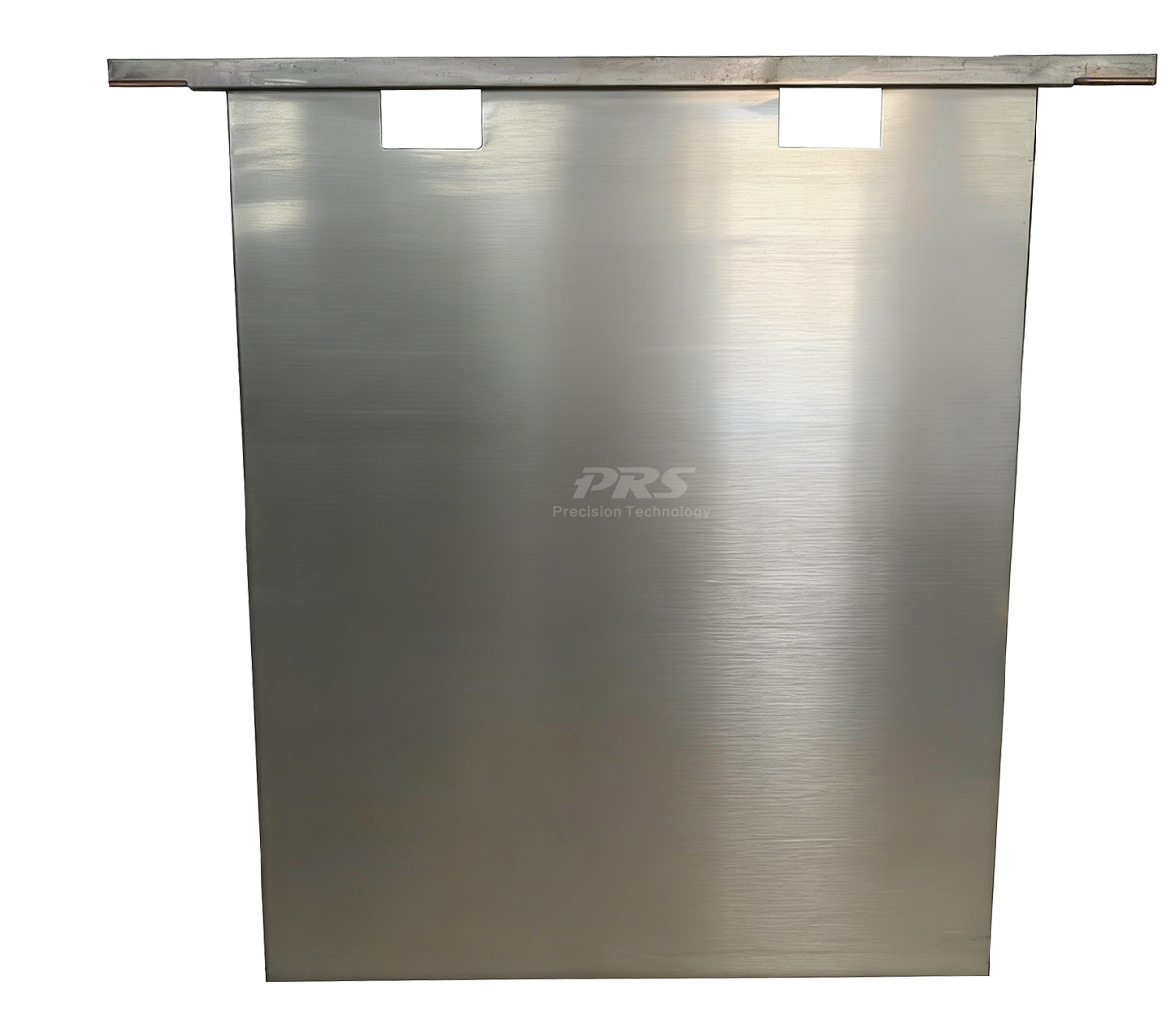
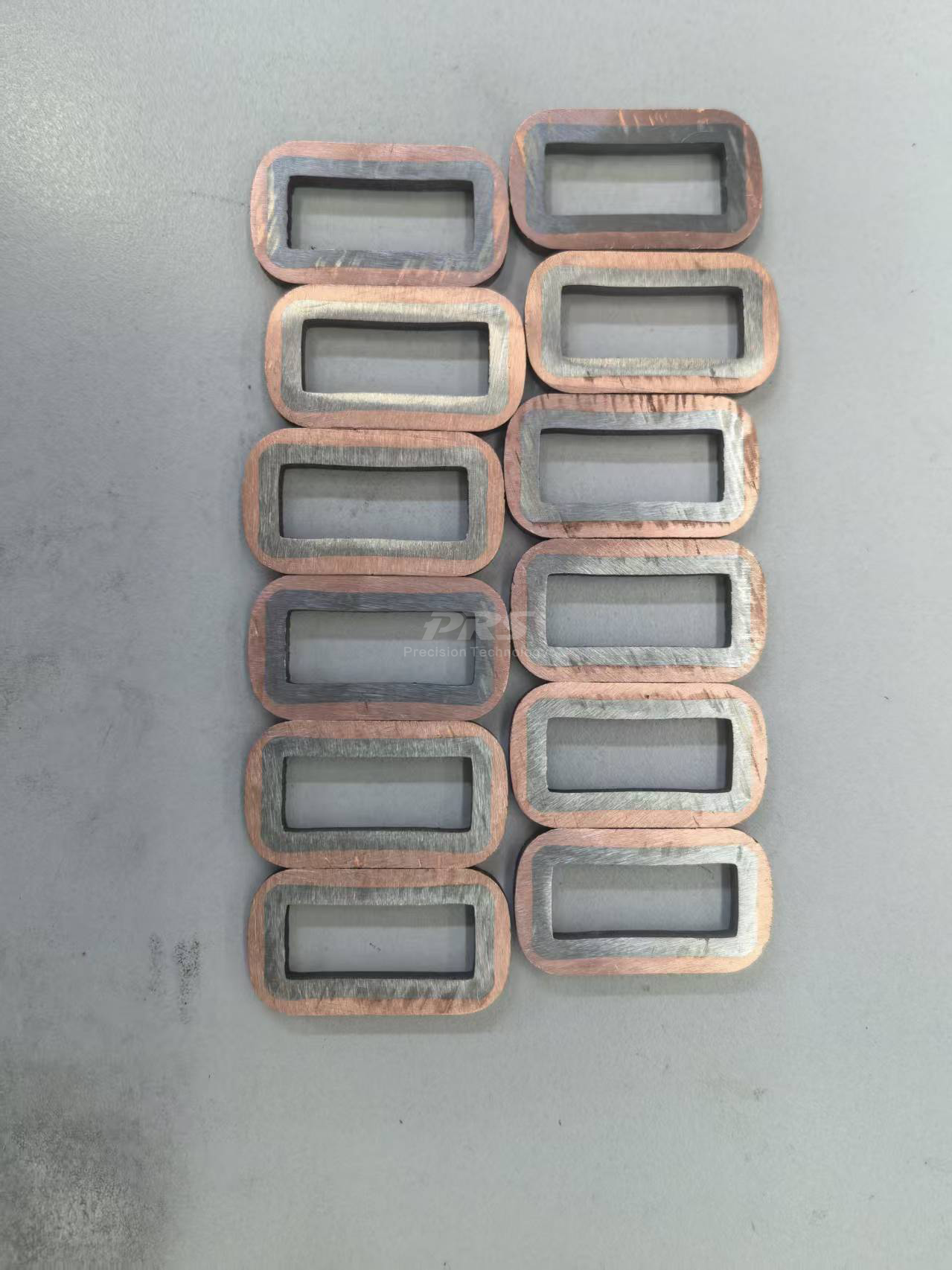
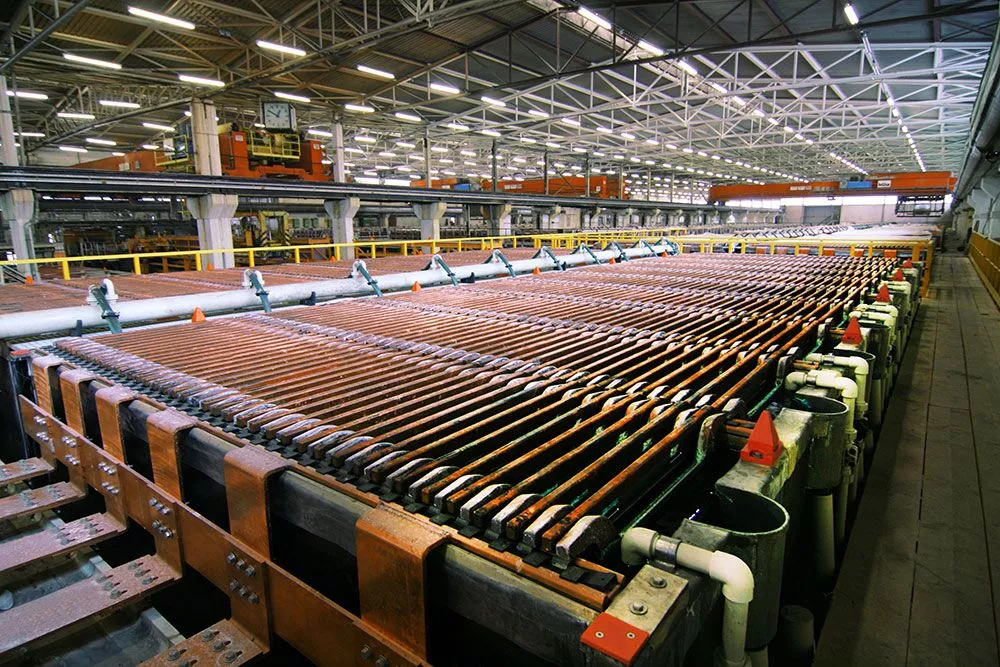
Photos of 2205 Duplex S.S. Cathode Plate
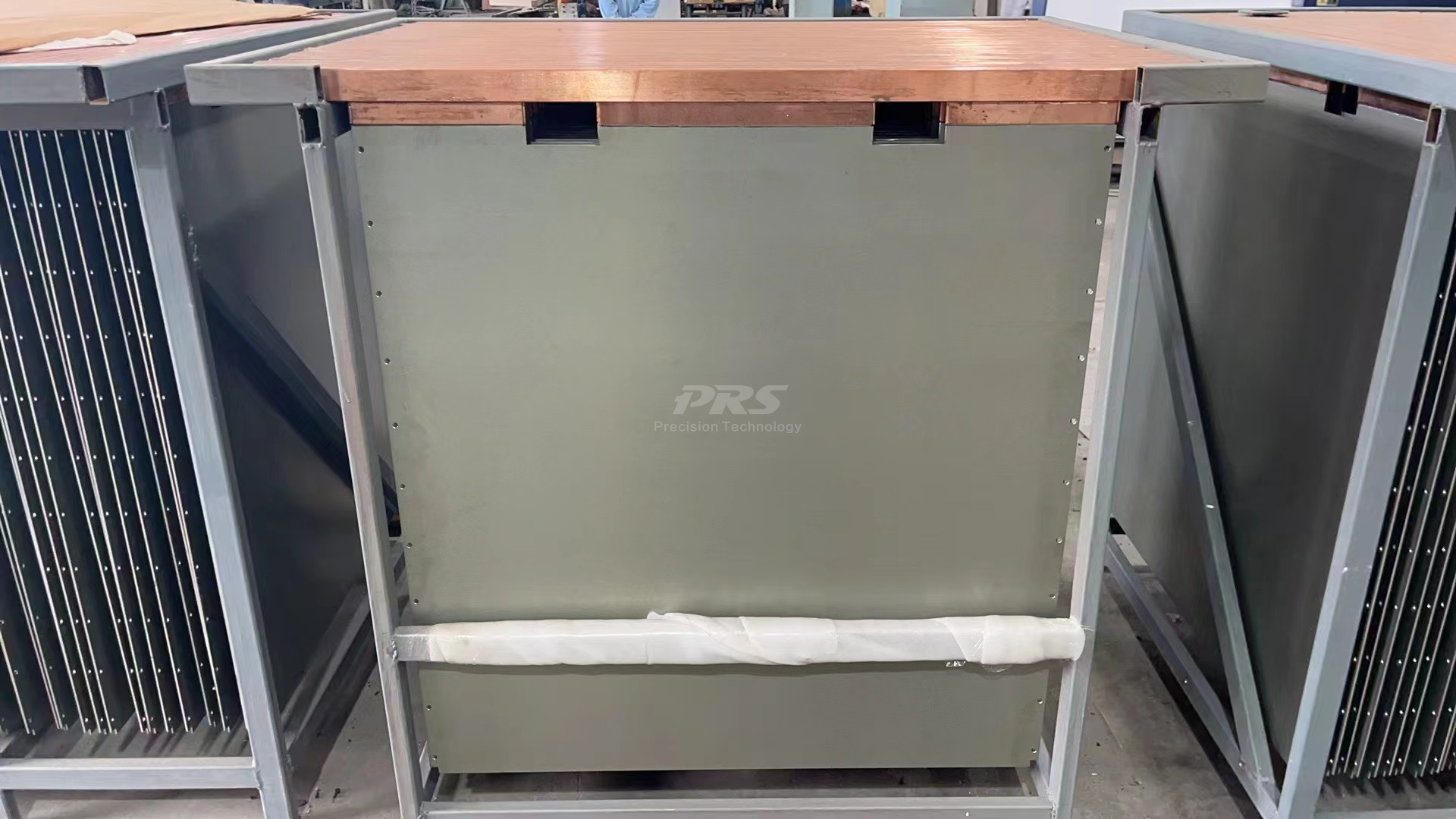
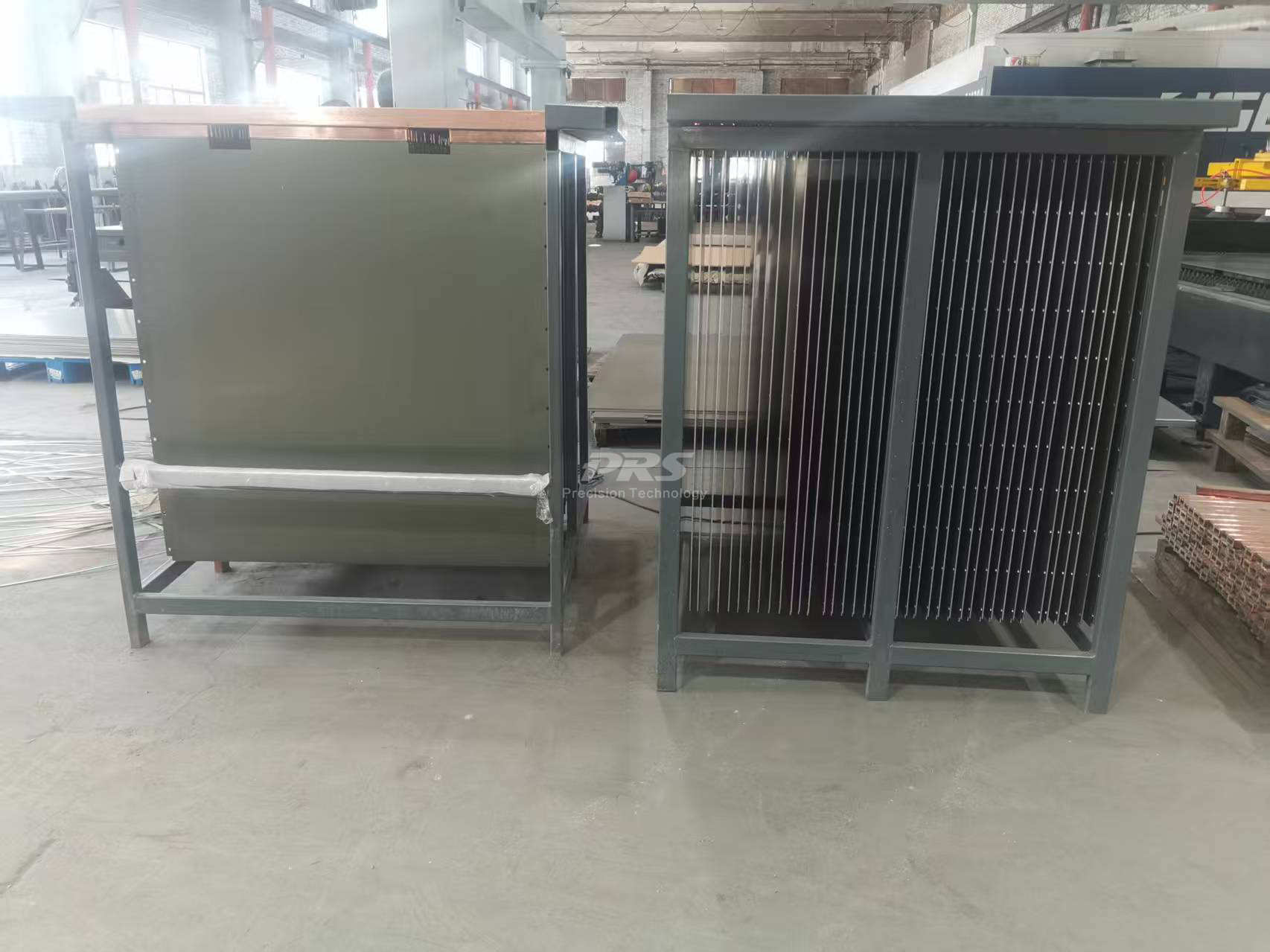
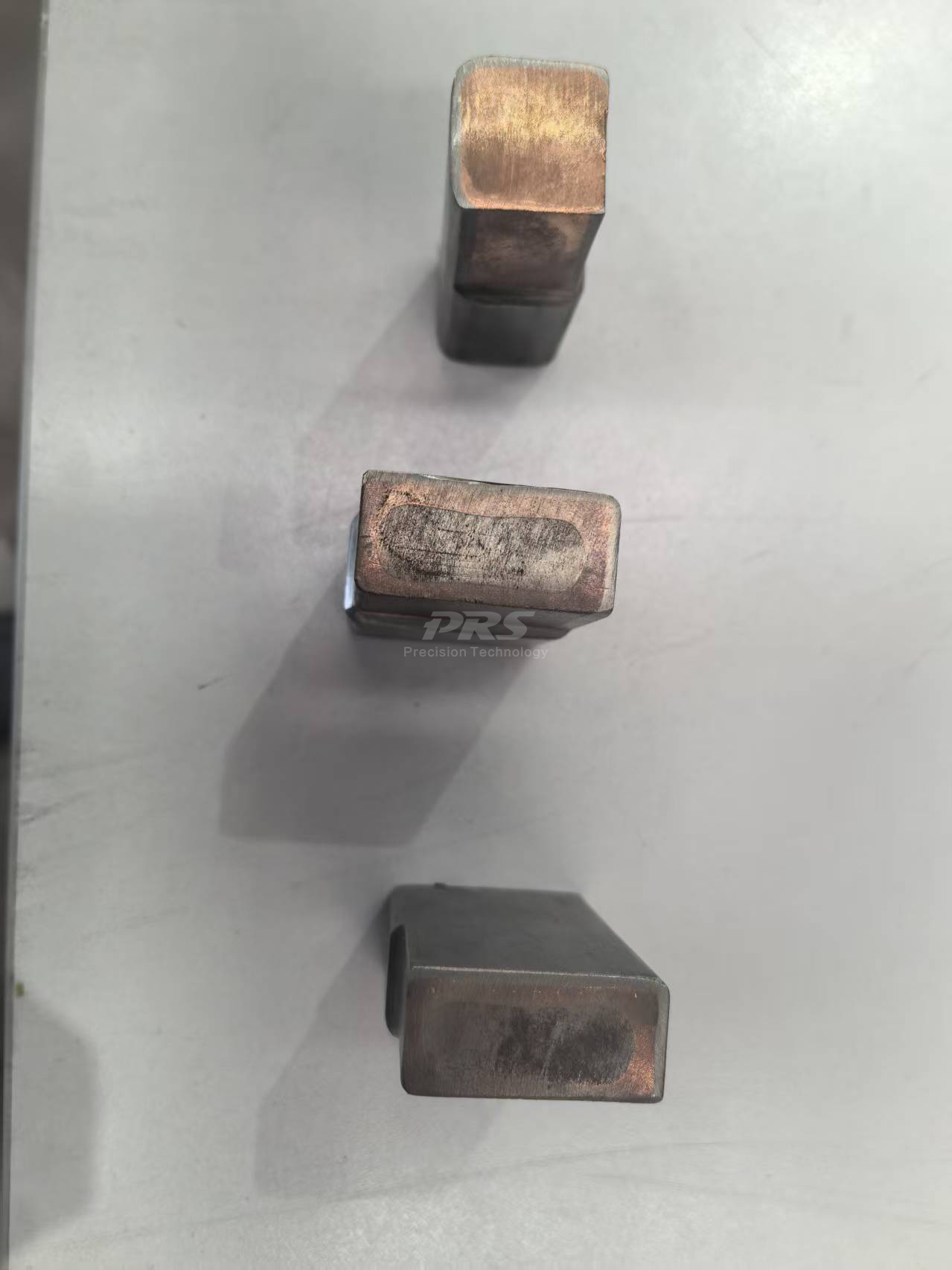
Data of Performance
| Materials of the Blade | 2205 Duplex Stainless Steel |
| Materials of the Conductive Beam | 2205 Duplex or 316L Stainless Steel Cladding Copper (ASTM C11000); Copper (ASTM C11000) Cladding 304 Stainless Steel |
| Effective Plate Area | 2 Square Meters |
| Application for | Copper EW or ER |
| Service Life under Normal Conditions | 15 Years |
1. The material of the blade is made by TISCO.
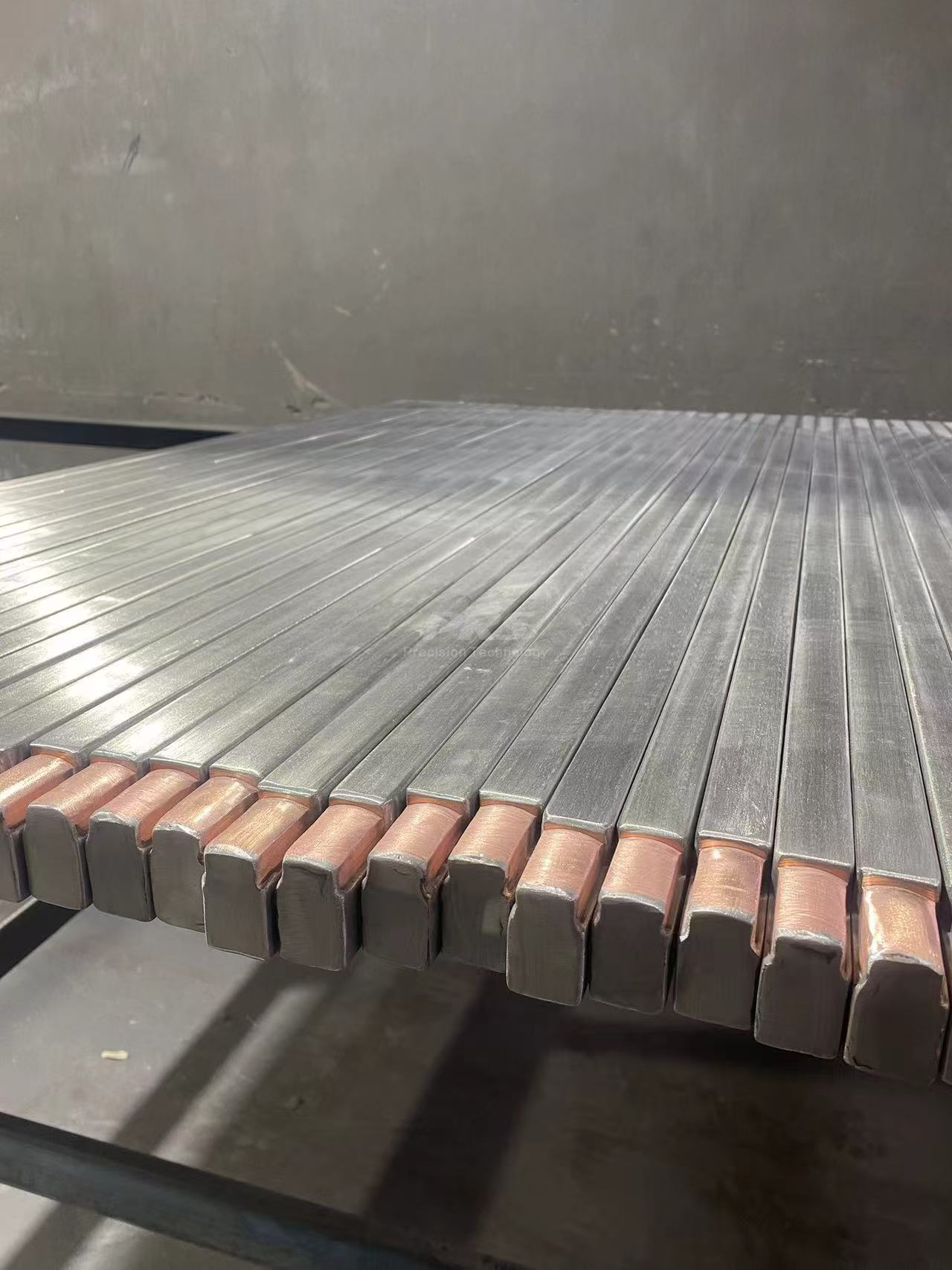
2. The stainless steel tube of the conductive beam is made by TISCO or Qingshan Steel, and the inner copper rod is made of ASTM C11000 copper, and the purity of copper is 99.90%.
3. The stainless steel sheath and the inner copper rod achieve a metallurgical bond, which improves corrosion resistance. The surface of the blade is smooth and flat.
4. A fully automatic robot is used for laser welding between the stainless steel blade and the conductive beam (stainless steel cladding copper) without flux. During the welding process, the plate surface will not be deformed due to overheating. After welding, the appearance of the weld is smooth and bright. This can ensure the conductivity, mechanical strength of the copper conductive beam and the drape & flatness of the blade.
5. The electric resistance between the copper conductive end and a point on the center line of bottom of the blade is less than or equal to 0.5 mΩ.
6. The electric resistance between a copper conductive end and its diagonal line to the bottom of the blade is 0.01 ~ 0. 02 mΩ.
Engineered for Chloride Resilience: 2205 Duplex Stainless Steel Cathodes for Demanding Electrolysis
In copper electrowinning and electrorefining, where electrolytes often contain aggressive chlorides, cathode plate longevity directly impacts operational cost and uptime. Standard 304 or 316L austenitic stainless steels can be vulnerable. Our 2205 Duplex Stainless Steel Cathode Plates are engineered specifically to bridge the gap between standard grades and high-cost super alloys. With its superior combination of strength and chloride resistance, 2205 delivers reliable, long-term performance in challenging environments, offering an optimal balance of performance and value for modern tank houses.
The Power of Duplex: Microstructure Defines Performance
The exceptional properties of 2205 (UNS S32205/S31803) stem from its unique “duplex” microstructure—a balanced, roughly 50/50 mix of austenite and ferrite phases. This synergy provides:
- High Strength & Hardness: The ferrite phase grants significantly higher mechanical strength than standard austenitic steels, reducing the risk of permanent deformation during handling and stripping.
- Superior Chloride Resistance: The austenite offers good toughness, while the ferrite provides outstanding resistance to Chloride Stress Corrosion Cracking (Cl-SCC), a common failure mode for 304/316L. The combined structure excels against localized corrosion.
Core Advantage: Engineered Chloride Resistance with Clear Limits
2205 is a specialist in chloride-containing environments, but its use requires understanding its specific operating window.
1. Resistance to Pitting & Crevice Corrosion (Key Strength):
- This is 2205’s most significant advantage over 316L. Resistance is quantified by the Pitting Resistance Equivalent Number (PREN).
- 2205 has a typical PREN of 34-38, far exceeding 316L’s ~25. This makes it vastly superior in environments like plating solutions, process water, or other chloride-bearing electrolytes.
2. Resistance to Stress Corrosion Cracking (Key Strength):
Pure austenitic steels are susceptible to Cl-SCC. The ferrite phase in 2205 effectively hinders crack propagation, making it a robust choice where tensile stress and chlorides are present.
3. Critical Application Limits (Essential for Selection):
- Temperature is Key: 2205’s performance is highly reliable in neutral chloride solutions at temperatures below 60-80°C. Its “Critical Pitting Temperature” is typically above 60°C.
- Boundaries of Use: In more severe conditions—high chloride concentration, low pH, elevated temperature (>80°C), or under-deposit scenarios—the risk of localized corrosion increases. For such extremes, higher-grade alloys (e.g., super duplex, nickel alloys) are required.
In summary, 2205 is the high-performance, cost-effective upgrade from 316L for most mild to moderately aggressive chloride environments. It is not a universal “super material” but a precisely engineered solution for a defined range of operating conditions.
2205 vs. LDX2101: Selecting the Right Grade for Your Process
Feature / Grade | SAF 2205 (Standard Duplex) | LDX 2101 (Economy Duplex) |
|---|---|---|
Core Positioning | Performance workhorse for demanding chloride environments. | Cost-effective upgrade to replace 304/316L in mild conditions. |
Key Alloy Difference | Contains Molybdenum (~3%) and higher Nitrogen. | Low or No Molybdenum; designed to save Ni/Mo cost. |
PREN (Typical) | 34 – 38 | 24 – 26 |
Chloride Resistance | Excellent pitting & crevice resistance. Excellent SCC resistance. | Similar to 316L. Good SCC resistance vs. austenitics. |
Critical Pitting Temp. | Typically > 60°C | Approximately 22°C |
Ideal Application Scope | More severe environments: Higher chloride levels, warmer electrolytes, process streams. | Mild to moderate environments: Lower chlorides, near-ambient temperature, general industrial use. |
Technical Specifications:
- Material: UNS S32205 / S31803 Duplex Stainless Steel.
- Key Advantage: Superior chloride ion resistance (Pitting, Crevice, and SCC) vs. standard austenitic grades.
- Design: Engineered for flatness, rigidity, and easy stripping.
Why 2205 is the Clear Choice for Critical Electrolysis Service
While LDX2101 offers a cost-saving upgrade from 304/316L, its lower PREN and low critical pitting temperature (approx. 22°C) make it unsuitable for many electrowinning/refining applications where electrolyte temperature or chloride concentration can vary. 2205 provides a much wider safety margin and operational flexibility, justifying its selection for ensuring long-term cathode integrity and minimizing unscheduled maintenance.
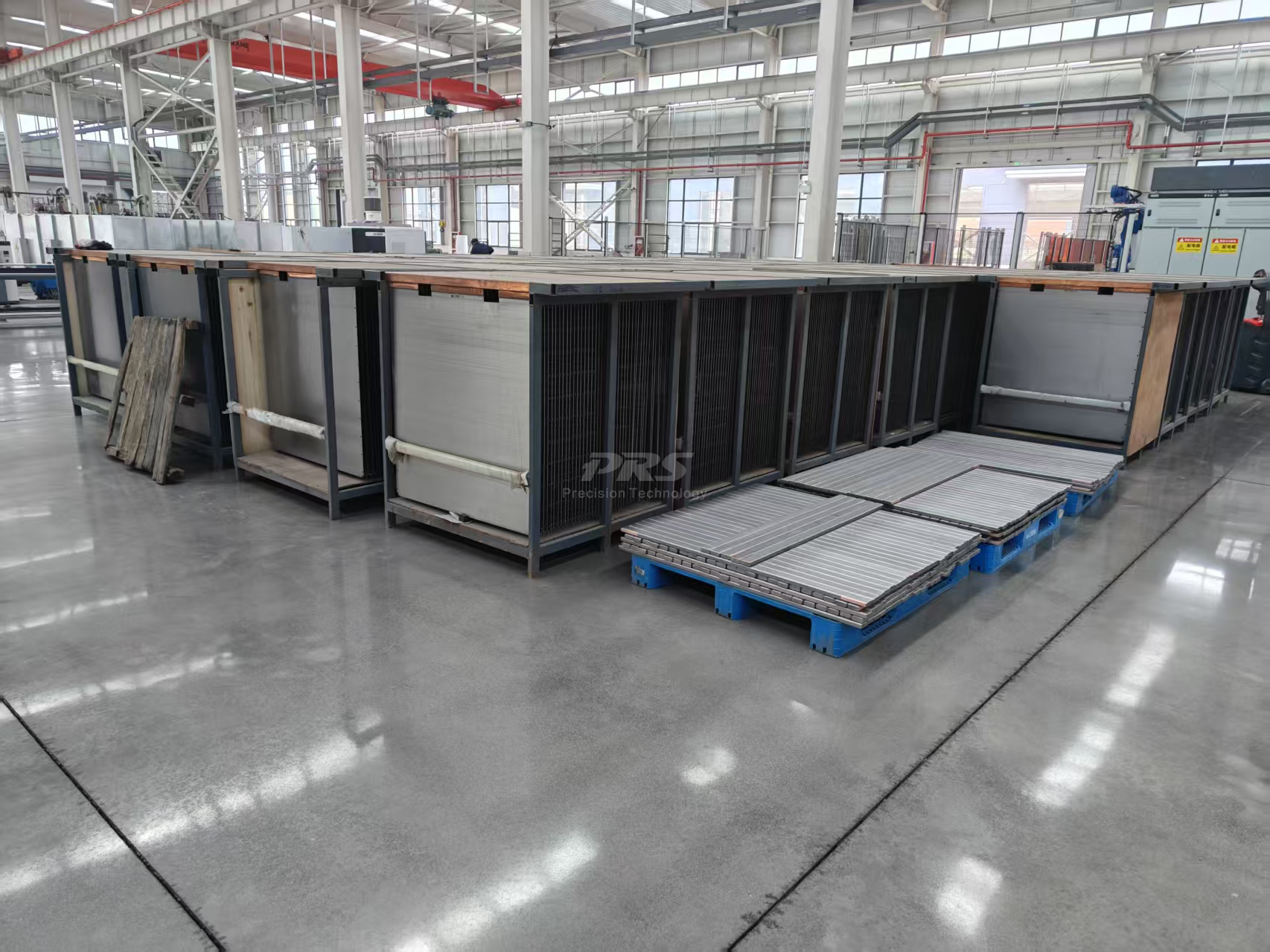
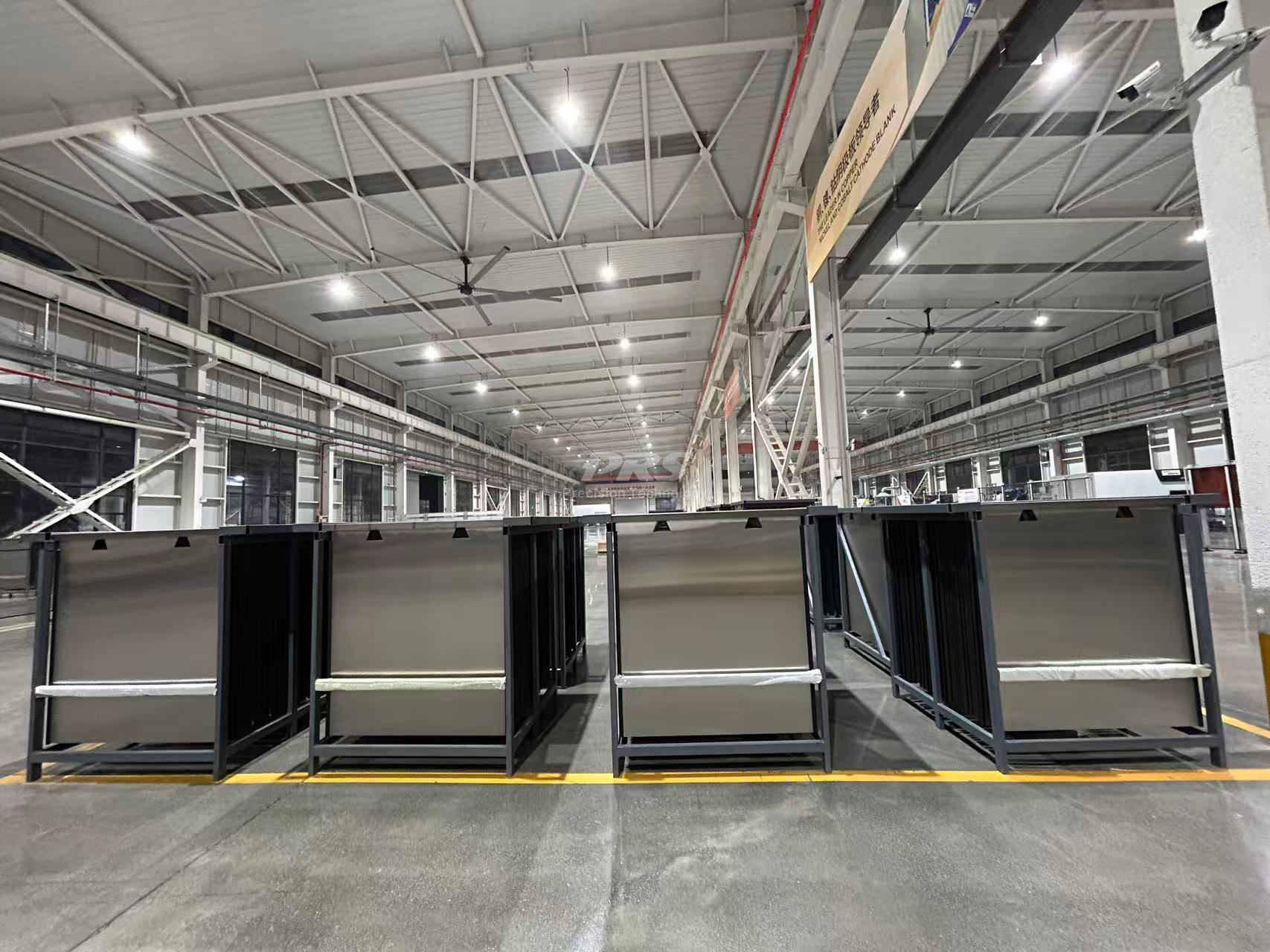
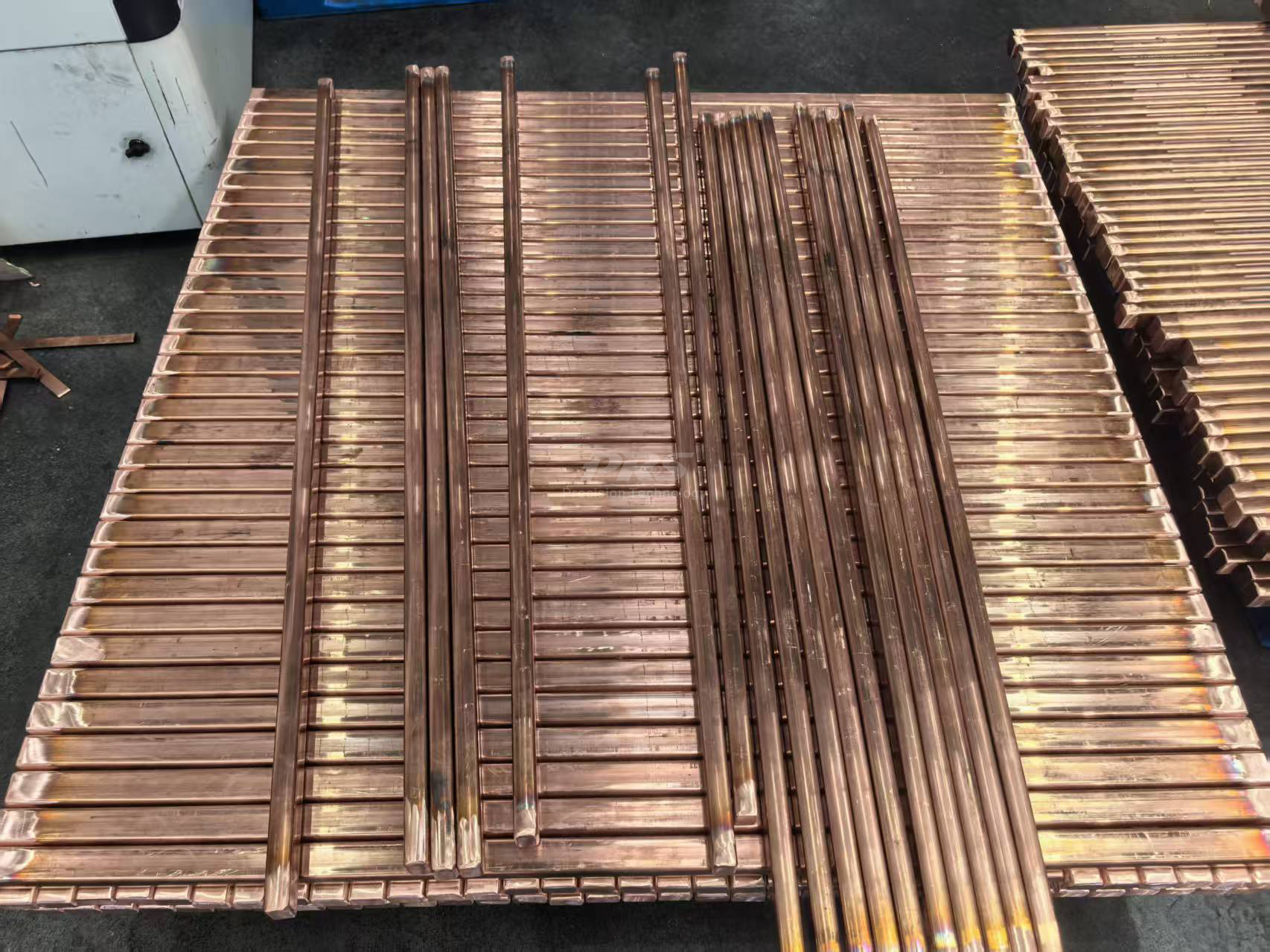
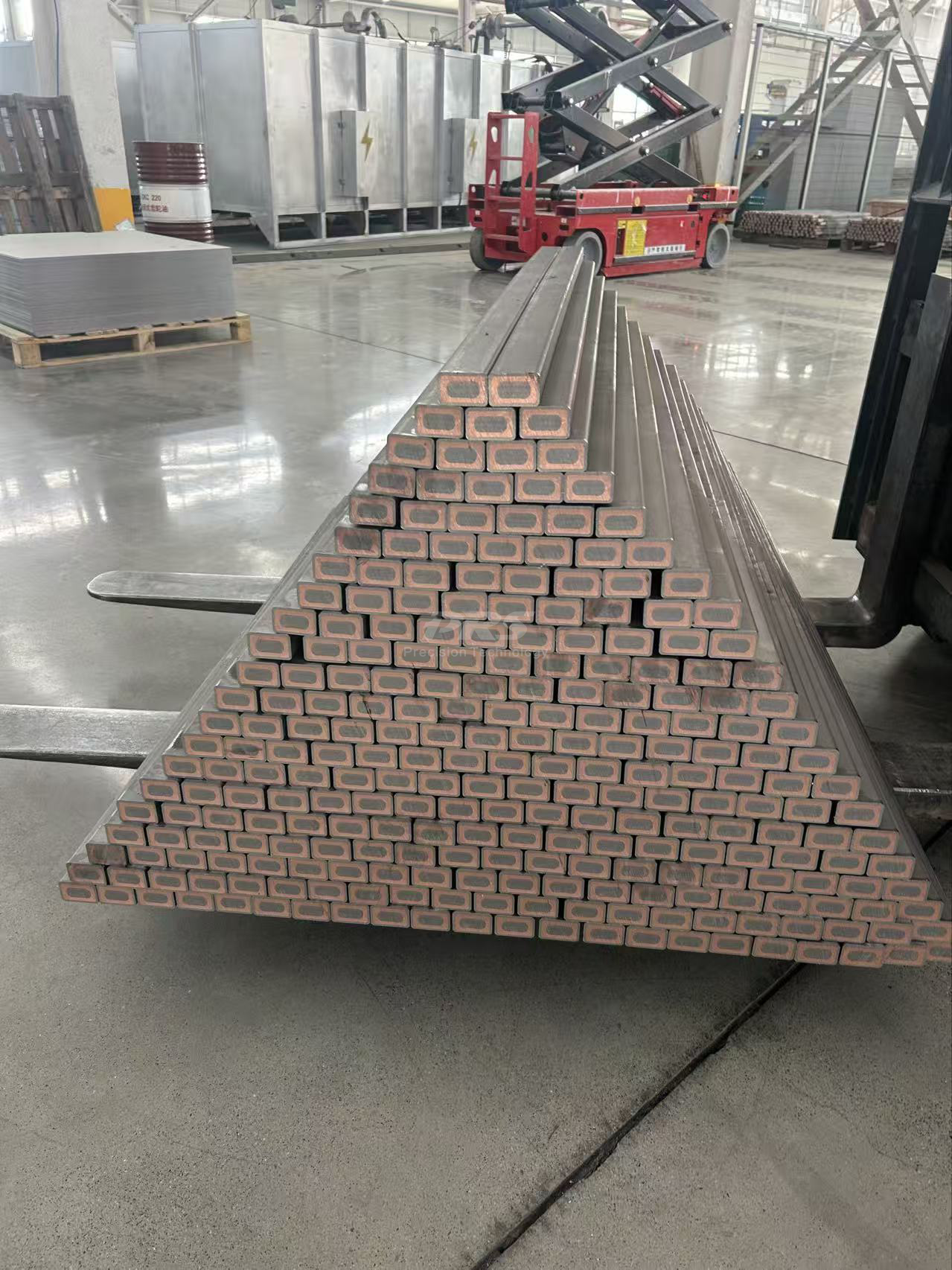
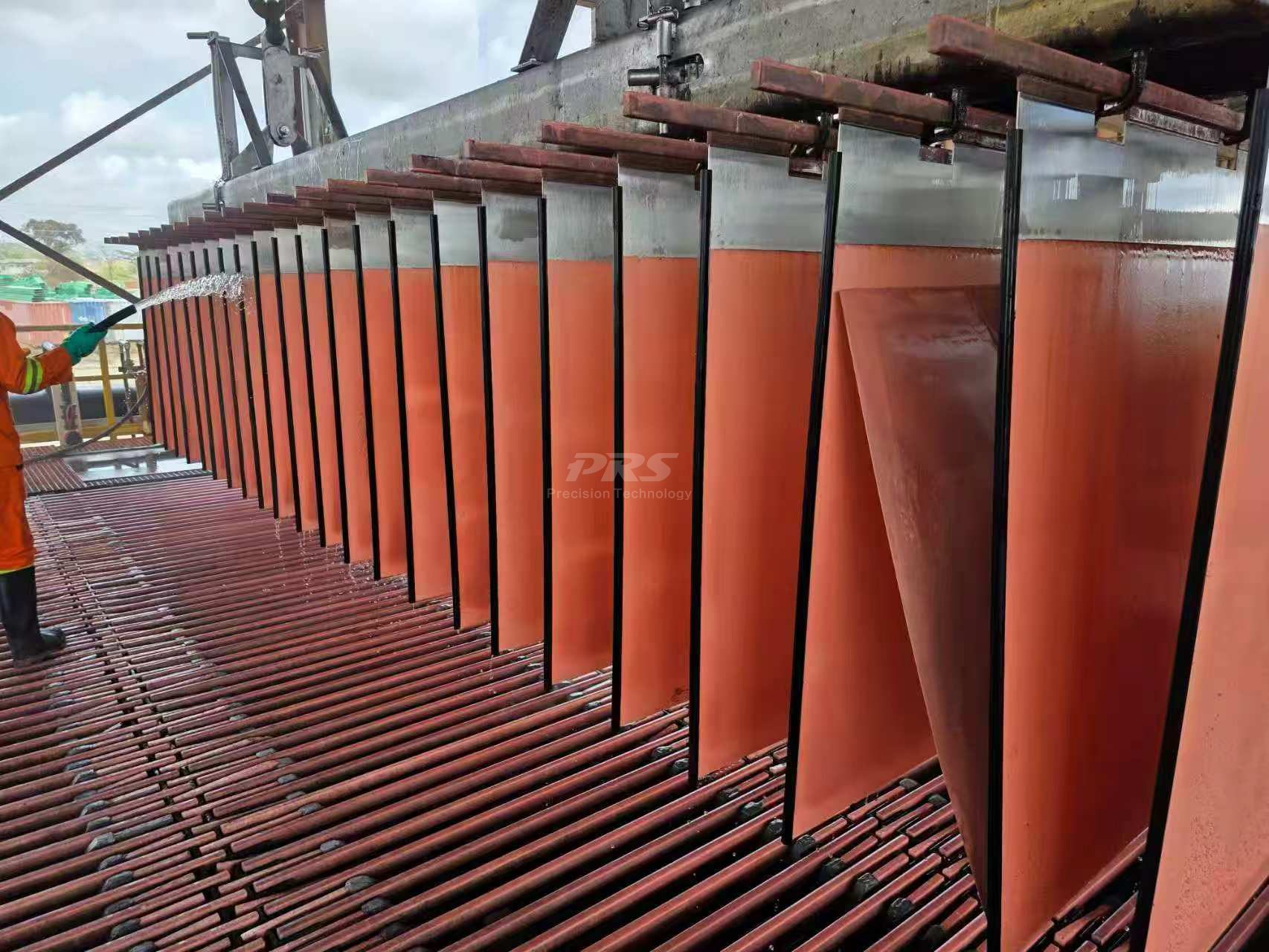
Photos of Massive Produced LDX 2101 Stainless Steel Cathode Plates and Project Sites
More Than Just a Supplier of Anode and Cathode Plates
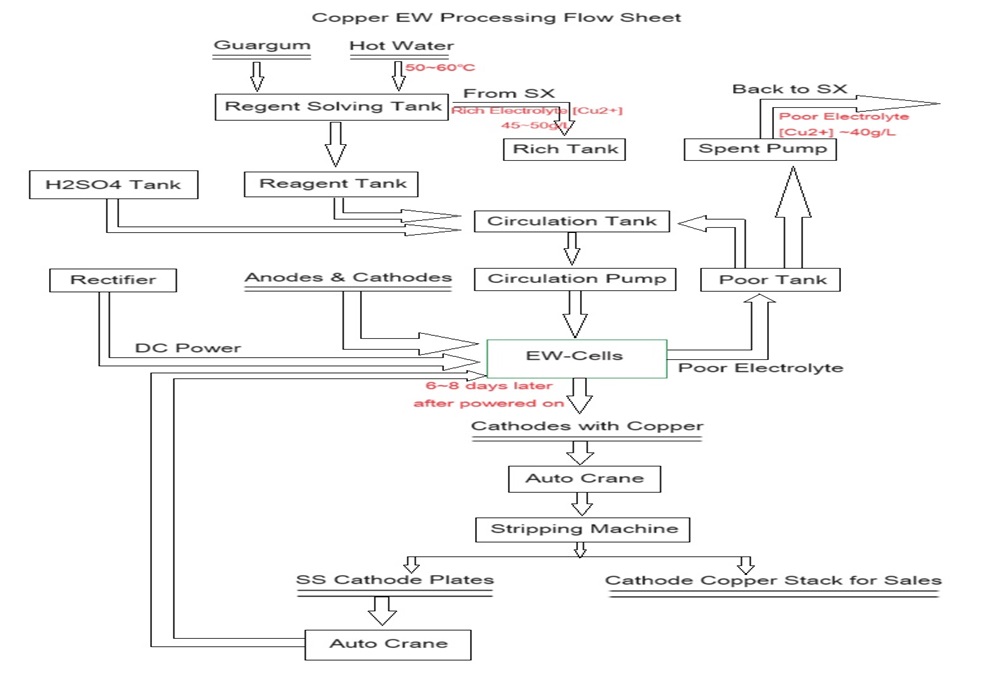
PRS has a rich experienced engineering and technique team. We can provide EPC services including full process consulting, solution optimization, equipment integration / supply in system and on-site commissioning or remote guiding.
Process Consulting
Our seasoned sales and engineers teams will communicate with you. We are just consultant of your whole EW process, according to your requirements and local conditions.
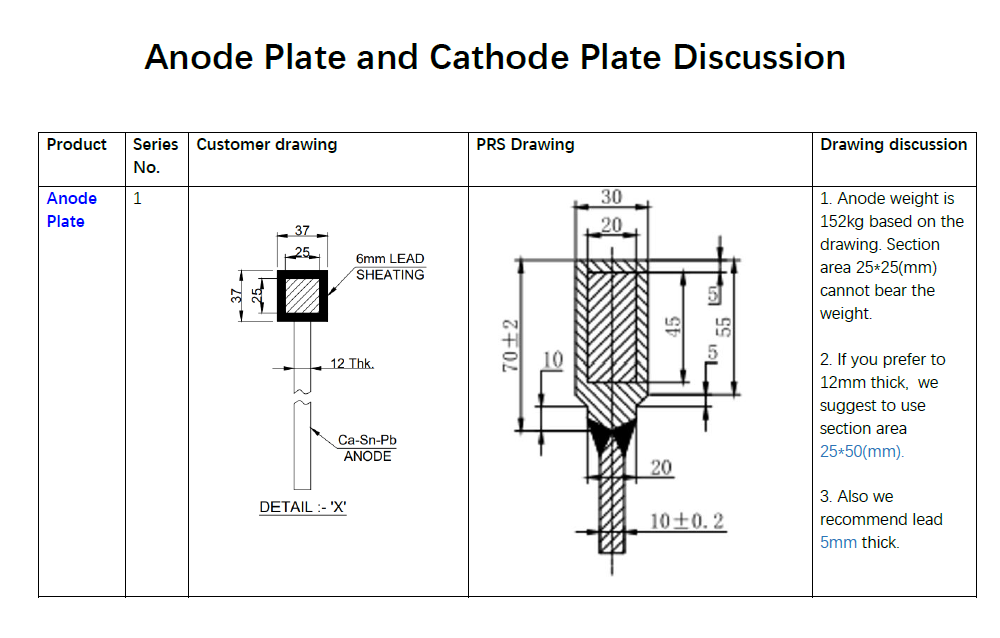
Drawings Optimization
The senior engineers from PRS can discuss the drawings with you, and provide reasonable suggests to optimize your drawings in maximum according to their rich experience.
System Supply
PRS is able to supply system equipment to you with a full range of crushing – ball milling – flotation – leaching – extraction – electrowinning, including certificates required.
On-site Commissioning
On-site commissioning, guidance and installation are available if in need, and remote guidance service by engineers or technique experts from PRS is also open for you.
Choose the Purpose-Built Solution for Challenging Electrolytes.
Don’t let chloride-induced corrosion dictate your maintenance schedule and cathode replacement costs. Our 2205 Duplex Stainless Steel Cathodes are designed for reliable performance where standard grades are not applicable.
